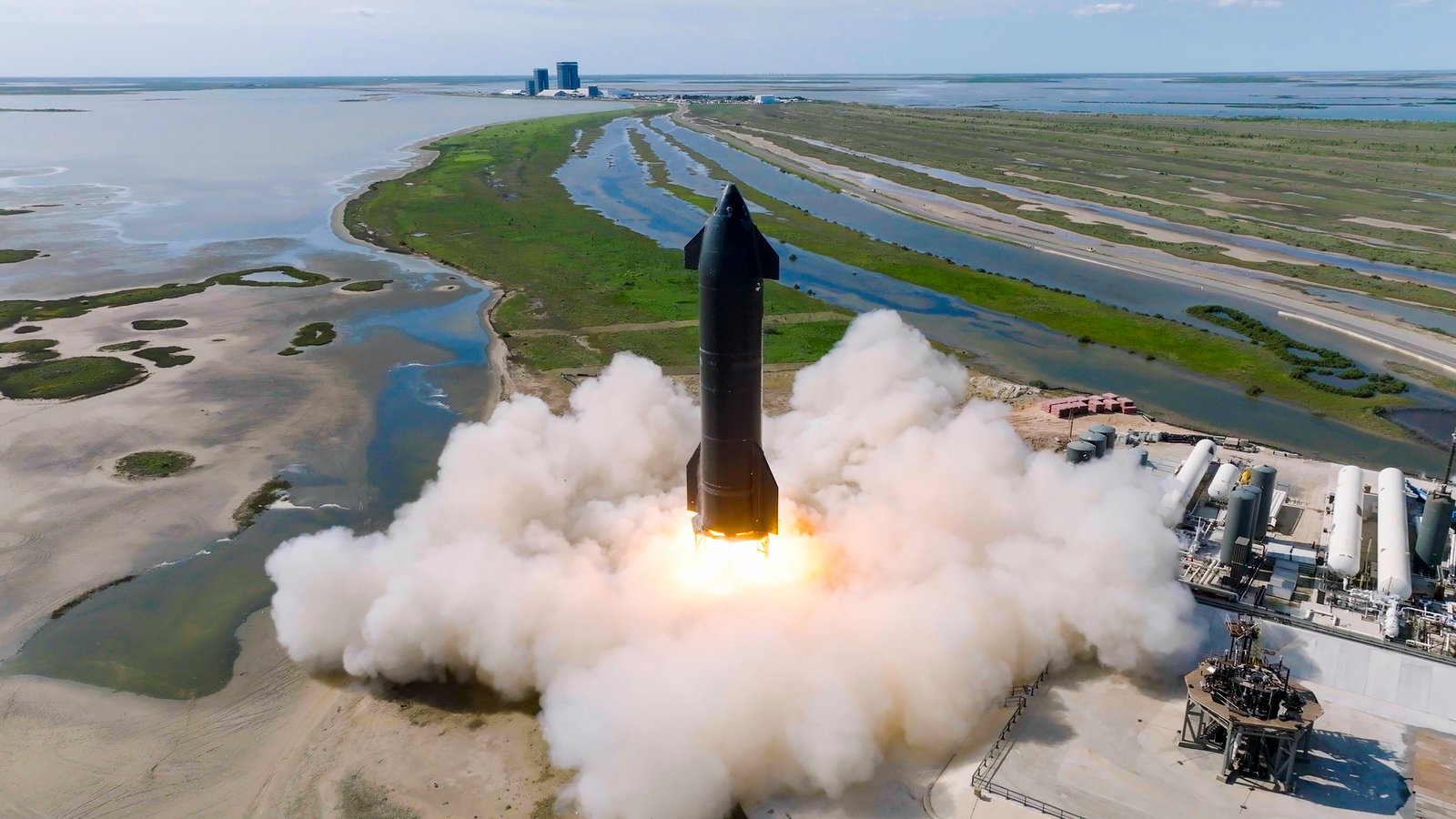
SpaceX held on Monday (13) Starship's eleventh flight test, the largest rocket ever built by Elon Musk's company. The release took place at the Starbase base, located in Texas, as reported by Reuters and released on specialized portals.
The test is part of the company's ongoing efforts to develop a reusable space transport system capable of bringing satellites, astronauts and eventually civilians to the Moon and Mars.
Release Details
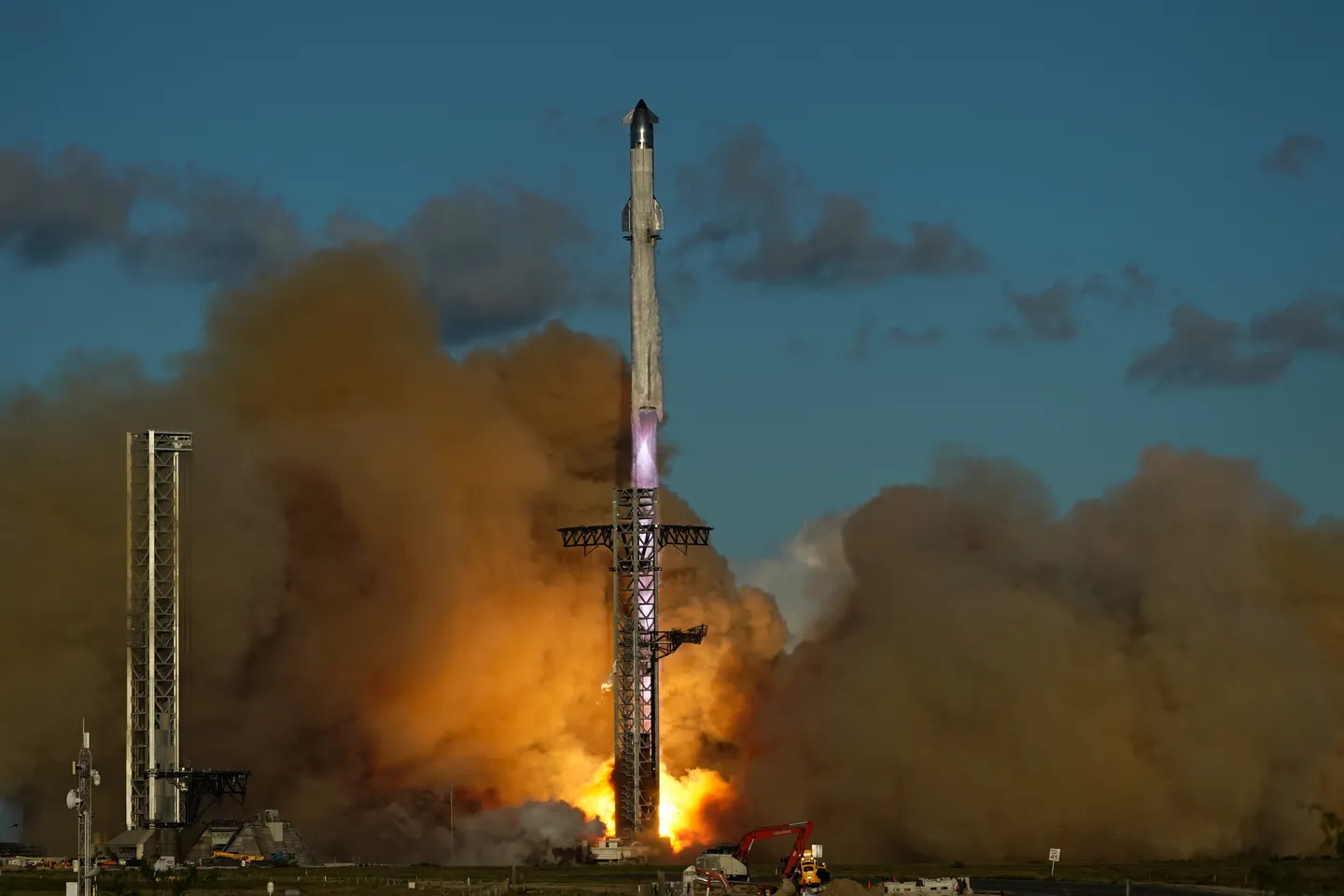
According to information disclosed by CNN, the main objective of the test flight was to demonstrate the capabilities of the reusable design of the giant vehicle. Starship represents a milestone in modern aerospace engineering, combining power and efficiency for long-distance missions.
The Starbase base in Texas has been Starship's development and testing center since SpaceX concentrated its heavy rocket operations in the region. The site allows the company to perform frequent tests without interfering in the commercial operations of other launch.
Reusable Technology
The most revolutionary feature of Starship is its completely reusable system. Unlike traditional rockets that are discarded after use, both the first stage (Super Heavy) and the second stage (Starship) can land and be reused multiple times.
This approach promises to drastically reduce access costs to space, making feasible not only scientific missions, but also space tourism and the colonization of other planets.
Vehicle Capabilities
- Total height of approximately 120 meters
- Load capacity up to 100 tons for low orbit of Earth
- Engine propulsion Raptor powered by liquid methane
- Design optimized for interplanetary missions
Artemis and Lunar Missions Program
NASA has selected Starship as the lunar landing system for the Artemis program, which targets return astronauts Americans to the moon. According to space agency information, the lunar version of Starship will be specifically modified for lunar surface operations.
The Artemis program represents a new era of space exploration, with plans to establish a permanent presence on the Moon and use this experience as a trampoline for manned missions to Mars.
Objective Mars
Elon Musk He was always clear about his Martian ambitions. Starship was designed from the start with Mars as its final destination. Its large cargo capacity and orbit refueling system make it possible to transport equipment and supplies needed to establish a self-sustainable colony in the Red planet.
Starship's continuous testing is essential steps to validate Technology that will eventually allow regular journeys between Earth and Mars.
Technical Challenges
Developing a rocket of this magnitude presents unique challenges:
- Thermal management during atmospheric reentry
- Vertical landing accuracy after orbital flights
- Durability of materials for multiple reuses
- Life support systems for long-term missions
Next Steps
As reported by specialized vehicles, each Starship test provides valuable data for SpaceX engineers to refine design and operational procedures. Successive tests have shown gradual improvements in system performance and reliability.
SpaceX plans to carry out full Starship orbital flights, including orbit refueling demonstrations – one Technology crucial for long-range missions.
Impact on Space Industry
The development of Starship is redefining the possibilities of commercial space exploration. Other industry players are accelerating their own reusable rocket programs to compete in the expanding market.
Starship's massive cargo capacity also opens up new possibilities for scientific missions, allowing the transportation of larger and more sophisticated equipment into space.
With this eleventh test, SpaceX continues its journey towards the creation of a truly revolutionary space transport system. Each launch we get a little closer to a future where space travel will be as routine as commercial terrestrial flights.