The Tron franchise returns after 15 years of silence with Tron: Ares, a film that promises to revolutionize the saga created by Disney. With Jared Leto in the lead role and a budget higher than US$ 200 million, this new production tries to balance visual spectacle with a current narrative on Artificial intelligence.
But can you overcome the legacy left by Tron: The Legacy and conquer a new generation of fans? Let's dive deep into this complete analysis.
The Visual Evolution of Tron Franchise
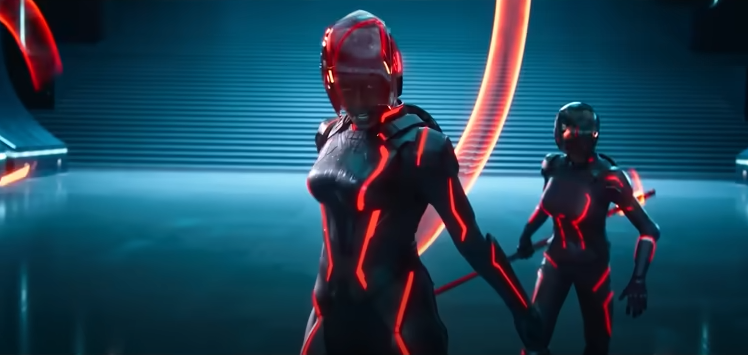
Tron: Ares represents an impressive technological leap from previous films. Directed by Joachim Rønning, known as Pirates of the Caribbean: Salazar’s Revenge, the film uses the most advanced CGI techniques currently available.
Technological Innovations in Highlight
- Real-time rendering: Use of game engines to create more fluid environments
- Volumetric lighting: Effects of more realistic and immersive neon
- Improved motion capture: Most natural digital actors performances
- Procedural textures: Surfaces that react dynamically to light
The IMAX experience is especially recommended because the expanded format allows you to fully appreciate the visual grandeur that the film offers.
Jared Leto as Ares: A Performance Controversy
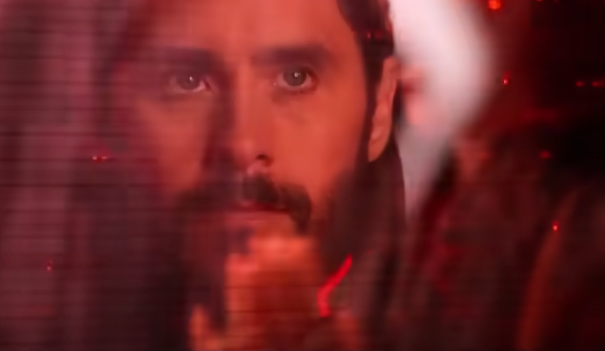
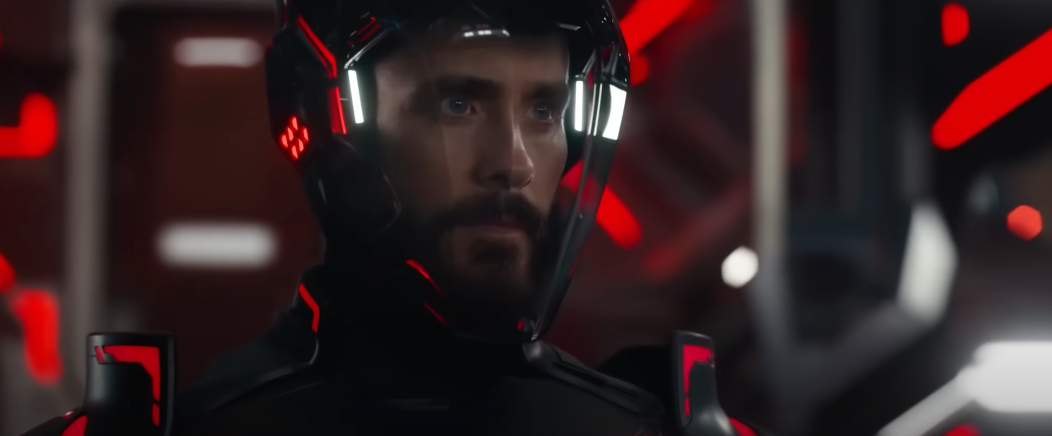
The choice of Jared Leto to interpret Ares generated intense debates among fans. Known for his intense interpretations in films like Blade Runner 2049 and MorbiusLeto brings his characteristic method acting approach to the paper.
Character Features Ares
Ares isn't just another Grid show. It represents a new generation of artificial intelligence designed specifically for:
- Operating in both the digital and physical world
- Adapt and learn from human experiences
- Question your own existence and purpose
- To serve as a bridge between two realities
Leto's interpretation explores the duality between the calculated coldness of an AI and the growing humanity that Ares develops throughout the narrative.
Change of perspective: From Grid to the Real World
One of the main innovations of Tron: Ares is to reverse the traditional formula of the franchise. While previous films focused on humans entering the digital world, now we see a digital entity trying to understand and inhabit the physical world.
Julian Dillinger: The Complex Antagonist
Evan Peters ==References====External links== Your character represents:
- The generational continuity of saga conflicts
- The evolution of corporate greed in the AI era
- A distorted reflection of Kevin Flynn's original ideals
Peters, known for his performances in X-Men and American Horror StoryIt brings unexpected nuances to a role that could have been just another corporate villain.
The Soundtrack: Nine Inch Nails vs Daft Punk
The replacement of the iconic work of Daft Punk in Tron: The Legacy for the double Trent Reznor and Atticus Ross Nine Inch Nails marks a significant change in the tone of the franchise.
Musical Comparative
| Aspect | Daft Punk | Nine Inch Nails (Ares) |
|---|---|---|
| Style | Electronic/Orchestral | Industrial/Environment |
| Tom | Epic and optimistic | Dark and introspective |
| Instrumentation | Synthesizers/Orchestra | Electronic textures/industrial percussion |
The new track perfectly reflects the most mature and questioning tone that Ares adopts regarding the dilemmas of artificial intelligence.
Contemporary Themes: AI and Society
Tron: Ares does not avoid current debates on artificial intelligence, but also does not deepen them as much as it could. The film touches on issues like:
Main Topics Addressed
- AI Ethics: What are the moral limits in creating artificial consciences?
- Capitalisation of technology: How large corporations monetize technological advances
- Digital vs. physical identity: What defines existence in multiple realities
- Militarization of technology: The use of AI for war purposes
Although relevant, these themes are treated relatively superficially, prioritizing the visual spectacle on narrative depth.
Support Cast and New Characters
In addition to Leto and Peters, the film features a diverse cast that includes:
Key Characters
- Greta Lee as Eve Kim: idealistic CEO of ENCOM, represents the utopian view of technology
- Arturo Castro: Software engineer questioning Dillinger's methods
- Cameron Monaghan: Independent hacker with connections to the original Grid
- Gillian Anderson: Senior scientist who worked with Kevin Flynn
Each character contributes to different aspects of the central debate on AI and humanity.
Connections with the Expanded Tron Universe
The film establishes several bridges with previous franchise material:
References and Continuity
- ENCOM: The original company returns with new leadership
- The Grid: Evolution of the digital world shown in previous films
- Legacy Programs: References to events of Tron: The Legacy
- Kevin Flynn: Presence felt through Easter eggs and mentions
These connections satisfy veteran fans as they introduce newcomers to the universe.
Technical Aspects and Production
The production of Tron: Ares faced unique challenges due to the visual demands of the franchise:
Production Challenges
- Integration of practical and digital effects: Balance realism with characteristic visual style
- Development of new visual language: Evolution of original design maintaining identity
- International coordination: Globally spread VFX teams
- Innovation in motion capture: Specific techniques for digital characters
Critical and Public Reception
The first reactions to Tron: Ares show an interesting division between critics and audience:
Highlighted Positive Points
- Awesome visual show
- Atmospheric and surrounding sound trail
- Engaged cast performances
- Relevant update of franchise themes
Recurring Reviews
- Screenplay that prioritizes visual on narrative
- Surface development of central themes
- Irregular rhythm in a few moments
- Inevitable comparisons with previous work
Cultural Impact and Relevance
Tron: Ares comes at a crucial moment of discussion about artificial intelligence in society. With the growth of tools like ChatGPT and debates on AI in various sectors, the film finds an audience naturally interested in its core issues.
The franchise has always pioneered the relationship between humans and technology, and this new entry maintains this tradition, even if less revolutionary than its predecessors.
Preparing Land for Sequences
Several elements in Ares suggest that Disney plans to further expand the Tron universe:
- Open endings: Several plots left for future development
- New characters: Introduction of figures that can support own narratives
- Expansion of the world: New locations and concepts presented
- Evolution technology: Advances that open narrative possibilities
Tron: Ares works better as a visual spectacle than as a deep narrative. Although it does not reach the conceptual perfection that many expected, it offers solid entertainment and keeps alive a unique franchise in science fiction cinema. For saga fans and visual cinema lovers, it represents a cinematic experience that justifies the big screen, even with its narrative limitations.
The film manages to balance nostalgia and innovation, creating a bridge between the franchise legacy and its future possibilities, establishing itself as a worthy successor who, despite regrets, honors the DNA of Tron.