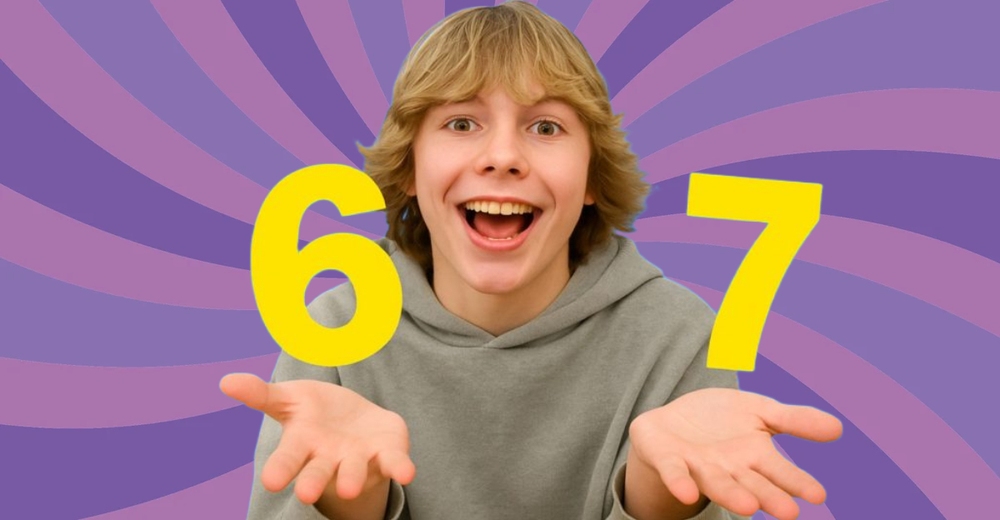
Social networks explode with a new phenomenon among young Brazilians. O meme entitled 6 7, or ‘six seven‘ in English, he gained space in classrooms, social networks and even conversations between friends and family. What began as a relaxed play became a topic of discussion between parents, educators and specialists in digital behavior.
How it all began: the origin of the meme 6 7
The history of this phenomenon is of international origin. A young American created a video mimicking the celebration of his favorite basketball player after marking point 67 in a match. The gesture was simple, but contagious.
In Brazil, the meme gained even more strength when the young content creator Laurinha, a mini singer of only 8 years, composed a song about the play. The song quickly spread across digital platforms, reaching millions of views in a matter of days.
Local adaptation has turned the trend into something unique. Brazilian artists created their own musical versions, incorporating elements of national culture into the original meme.
Meme 6 7 has become so popular that English teachers report interruptions whenever the numbers appear during the lessons.
What exactly is meme 6 7?
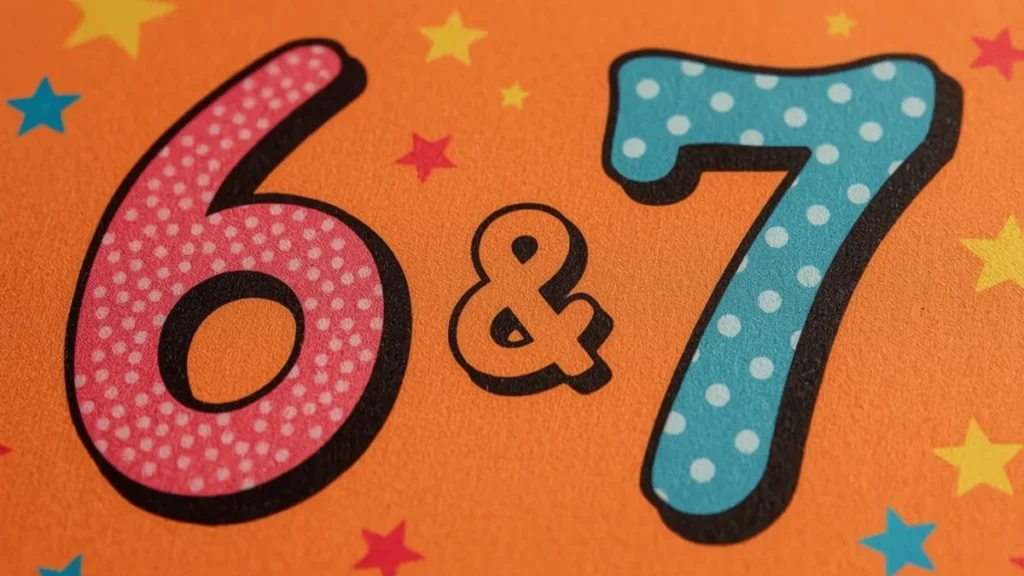
Meme 6 7 Six Seven
The joke works very simply and directly. When someone pronounces numbers 6 and 7 in sequence in English (six seven), children and adolescents respond with specific hand and body gestures.
These movements mimic the celebration of the basketball player, turning the simple enunciation of numbers into a kind of collective choreography. The fun is in synchronization and group participation.
For those who grow up immersed in digital tendencies, such as the 11-year-old Cauan Fileno, the meme makes total sense. For many adults and parents disconnected from the social media universe, however, the practice may seem confused or even without apparent purpose.
The impact on Brazilian classrooms
The invasion of meme 6 7 in school environments generated curious situations and, for some educators, challenging. English teachers have constant interruptions when they mention numbers during classes.
According to teacher reports, whenever situations involving numbers 6, 7 or combination 67 appear, students automatically interrupt the class to make the characteristic gestures of the meme. An educator commented that she had never seen a digital trend last so long among students.
Play occurs both in moments of relaxation and during formal instruction itself. The phenomenon became so rooted that it became part of the dynamics of Brazilian classes.
Why do children and adolescents connect to meme?
Meme 6 7 works as a shared code among young people. Being part of the joke means being inserted in a digital community, understanding common references and participating in something that unites people of the same generation.
The origin of sport and physical choreography transform meme into something more tangible than a simple video. Children not only watch; they perform, share and recreate the trend constantly.
The sports enthusiasm that inspired the meme also contributes to the appeal. Associated with the emotion of scoring points and celebrating, the gesture carries positive and fun energy that pleases young audiences.
The Brazilian adaptation and musical version
Brazil not only adopted the meme, but also reinvented it. Laurinha's music acted as a catalyst for an explosion of local creativity around the trend.
Brazilian content producers and artists realized the viral potential and created their own versions, adapting the meme to local rhythms and styles. This transformed international play into a genuinely Brazilian phenomenon.
The adaptability showed how social networks function as spaces for cultural recreation. A video of a young American became gum music among Brazilian teenagers in a matter of weeks.
What you need to know
- Meme 6 7 originated from a video of a young American imitating a basketball celebration
- 8-year-old mini singer Laurinha created a song that viralized and potentiated the phenomenon in Brazil
- The joke is to make gestures with your hands when listening to numbers 6 and 7 pronounced in English
- Teachers report interruptions in English lessons due to meme
- Children and adolescents use the trend as a shared code of belonging to the group
- Brazil adapted the meme with musical versions and local cultural elements
Perspective for the future of the meme
The durability of the meme 6 7 surprises even specialists in digital behavior. Many trends disappear in days, but this gained lasting traction among the young Brazilian public.
The phenomenon raises important questions about how children communicate, establish social connections and participate in digital communities. For educators, it is a challenge to understand and live with these new dynamics.
As we advance in 2026, observing how this meme will evolve will be fundamental to better understand the digital culture of the new generations. It can disappear as quickly as it has emerged, or establish itself as a permanent part of the language of young Brazilians.
Meme 6 7 represents more than a passing joke. It shows how modern children and adolescents create meaning, build communities and express their creativity through social networks and digital culture. Understanding these phenomena helps parents and educators to connect better with young people in their circle.
Want to know more about digital trends that affect children and adolescents? Follow TecNerds for deep analysis of online behavior and digital education. Comment below: Does your son or daughter participate in meme 6 7? Share your experience with us.
📰 Original Source
This article is a journalistic rewrite based on the news originally published by Record. Published on 14/04/2026.
📰 Original Source
This article is a journalistic rewrite based on the news originally published by O Globo. Published on 14/04/2026.