Tralalero Tralala: The Meme of the Tennis Shark that Called the Attention of Children From Around the World
/i.s3.glbimg.com/v1/AUTH_08fbf48bc0524877943fe86e43087e7a/internal_photos/bs/2025/7/N/hEVR1sTluPAJFo4QX8yw/tralalero-1-.png "Tralalero Tralala And Brain Rot: What is it? Is it Dangerous? 2")
O Tralalero Tralala became a national fever and conquered millions of Brazilians on social networks. This meme peculiar, which features a shark using tennis on the beach, grew more than 350% in Google searches and became the most commented digital phenomenon of the moment.
But what makes this shark so special? The answer lies in the perfect combination of absurdity and simplicity that characterizes the most viral memes of the Brazilian internet.
What you will find in this article:
The Origin of the Trallalero Tralala Phenomenon
Meme emerged as part of the movement known as "Brain Rot" or "brain rot", a category of content characterized by total lack of logical sense. O Tralalero Tralala born of this premise: create something completely nonsense that paradoxically makes sense in the current digital universe.
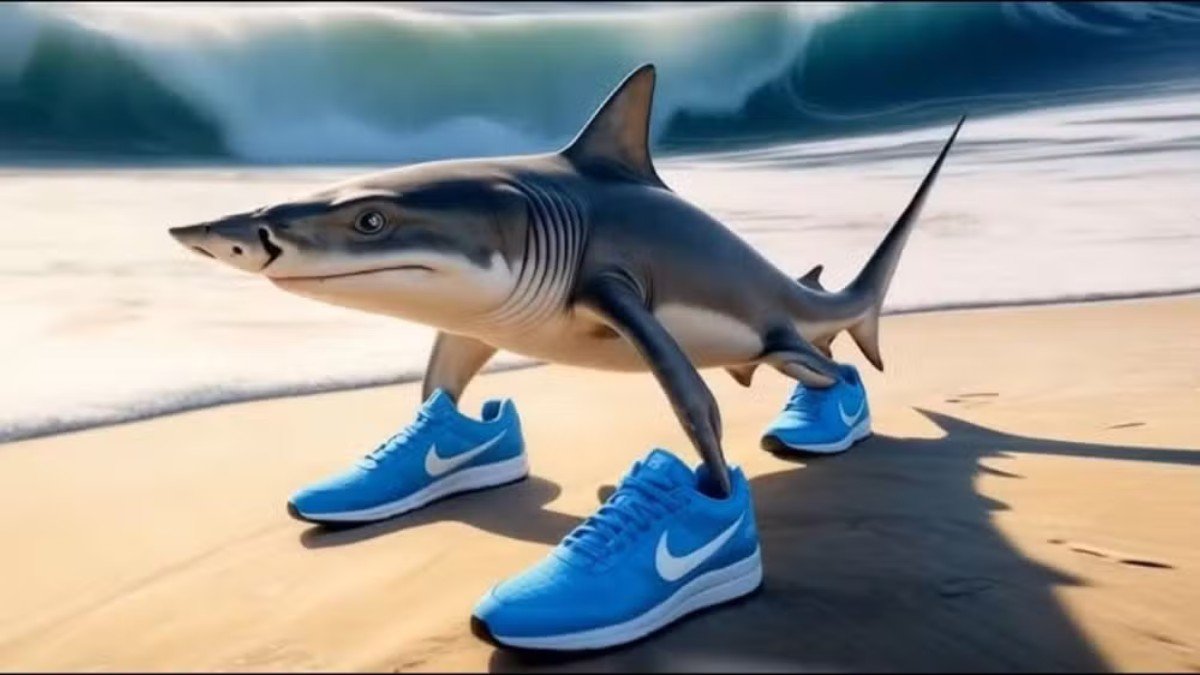
The central figure shows an anthropomorphic shark using a pair of sneakers, walking down the beach sand. The apparently simple image carries all the DNA of modern memes: it is visual, absurd and easily reproducible.
Why Did Tralalero Tralala Become Success in Brazil?
The numbers reveal the dimension of the phenomenon. People from 77 countries have already researched Tralalero Tralala Google, but Brazil leads this movement. May 10 marked the second largest peak of searches, losing only to April 26.
Brazilian success has specific cultural explanations:
- Brazilians naturally embrace absurd and fun content
- The "Italian" sound of the name arouses curiosity
- Ease of playback in different formats
- The ability to generate identification through nonsense humor
The Complete Family of Viral Characters
O Tralalero Tralala You didn't come alone. Other Characters were born from that same creative school:
Bombardino Crocodile
A surreal fusion between a crocodile and an airplane, the Bombardino represents the essence of creative nonsense. The impossible combination between a reptile and an aircraft creates the desired comic effect.
Tung, Tung, Tung Sahur
Another member of this viral family, characterized by sound repetition that sticks to users' minds. The peculiar sound contributes to your memorability.
All these characters share common characteristics: they are impossible mergers between everyday elements, anthropomorphic animals and unusual objects.
How Artificial Intelligence Driven Meme
The explosion of Tralalero Tralala coincides with the democratization of AI tools. Users create infinite variations using:
- AI image generators
- Automated music creators
- Video editors with AI
- Synthetic voice tools
Musical parodys quickly emerged, including versions of hits such as "Havana" by Camila Cabello. The AI allowed anyone to create professional content on the meme, exponentially multiplying their online presence.
The Phenomenon on Social Networks
TikTok and Instagram became the main stages of Tralalero Tralala. The visual and sound nature of the meme is perfectly suited to the algorithms of these platforms.
No TikTok, videos with hashtag accumulate millions of views. Brazilian creators adopted the character, creating dances, sketches and assemblies that further amplify the reach.
Instagram was not behind, with stories, reels and static posts dominated by the figure of the tennis shark. Visual versatility allows adaptations to different formats.
Psychology Behind Success
O Tralalero Tralala works because it meets specific psychological needs of digital users:
Escape from Reality
In times of information overload, completely absurd content provides mental relief. The brain relaxes when processing something without profound consequences or meanings.
Sense of Belonging
Sharing and recognizing the meme creates connection with other users. Whoever "understands" the Tralalero Tralala automatically is part of a digital community.
Dopamine Release
The unexpected and comical nature of content generates immediate pleasure, encouraging sharing and creating variations.
How to Create Content with Trallalero Trala
For creators who want to surf this wave, some strategies work:
- Keep the original nonsense
- Use striking visual elements
- Create memorable sound variations
- Explore crossovers with other memes
- Adapt to different content formats
What's next?
Viral memes have specific life cycles, but the Tralalero Tralala shows unusual longevity. Its ability to reinvent through the AI and creativity of users can extend its relevance.
The trend indicates that we will see more characters from this nonsense family, each exploring impossible combinations between everyday elements.
The phenomenon Tralalero Tralala represents more than a passing meme. It symbolizes how the Brazilian internet embraces absurdity, transforms nonsense into popular culture and uses technology to amplify collective creativity.
Whether you are a curious observer or active creator, the tennis shark has proven that sometimes digital success comes from the most unexpected places. And in the case of Tralalero Tralala, literally from beach sand to screens all over the world.
Parents Alert: The Hidden Danger in the Internet's Cute Videos
What's going on?
Have you noticed your son humming strange songs with an Italian accent? Crocodile Bombardino, Tennis Shark, Ballerina Cappuccina... These characters took over our children's screens, and what seems harmless hides a real threat to child development.
What Are Brain Rot?
Brain Rot It literally means "brain rot." They are videos created by artificial intelligence, with colorful characters, sticky songs and funny names, designed specifically to addictive children between 2 and 10 years – precisely the most vulnerable age group, in full mental development.
Features of these videos:
- Innocent look: Cute little animals, vibrant colors, captivating songs
- Easy access: Automatically appear as a suggestion on platforms
- Additive content: Short video format (shorts) that generate dopamine
- Can not open message: Behind cuteness, they hide violence, xenophobia, racism and tragedies
Real and Shocking Examples
Bombardino Crocodile: It's not just a funny crocodile. It's a crocodile-headed plane that bombards children in the Gaza Strip.
Ballerina Cappuccina: It looks like a video about ballet, but it carries dark, disturbing stories.
Sneaker shark and Cactus elephant: Bizarre characters created to confuse and hold attention without any educational purpose.
The Real Damage to the Child Brain
According to experts in psychopedagogy and artificial intelligence, these contents cause:
1. Cognitive Development Atrophy
The human brain is like a muscle that needs intelligent muscle. When we feed children with empty content, the brain does not develop properly – it atrophies.
2. Dopamine Addiction
Short videos are programmed to generate dopamine peaks. The child is in a vicious cycle, always waiting for the next "cooler" video, without processing what he is watching.
3. IQ drop
Studies have shown that the IQ of the new generations is falling compared to the previous ones, largely due to the excessive and inadequate use of Technology.
4. Concentration Capacity Loss
The child enters a mental loop, watching nonstop, but unable to explain what he saw or what the story was.
5. Repetition Without Understanding
Three-four-year-olds sing these songs, but they don't know what they're saying or why that is funny.
How to Protect Your Children?
✅ WHAT TO DO:
- Block YouTube Shorts and short videos for young children
- Prefer cured platforms as Netflix Kids, Disney+, where there is content control
- Watch along and ask: "What was the story? Did it make sense?"
- Check regularly the history and suggestions of videos
- Set time limits for use of screens
- Offer alternatives like books, outdoor games, educational games
❌ WHAT AVOIDS:
- Leave the child alone with free access to YouTube
- Use short videos as "electronic babe"
- Ignore what your son is watching "because it seems harmless"
- Allow tablets or mobile phones in the room without supervision
The Role of Artificial Intelligence
AI may be an incredible tool for education and entertainment, but it can also be used maliciously. These videos are created in mass, without human supervision, with the sole objective of viralizing and generating views – no matter the impact on children.
Warning Signals
Watch your son:
- Watch videos repeatedly without being able to stop
- Sings meaningless songs with strange characters
- Lose interest in activities you once liked
- It has difficulty concentrating on other tasks
- You get angry when you can't watch the videos
The Importance of Content Healing
It's not enough just to give the child a screen. You have to:
- Select content with educational purpose or coherent narrative
- Chat about what was watched
- Stimulate critical thinking: "Why do you think that's funny?"
- Build cognitive development with stories that make sense
Surveillance is Love
It's easy to miss what's going on. That cute little video your son loves could be literally damaging his brain development.
A Artificial intelligence It's up to us parents and guardians to make sure it's used for the good of our children, not to harm them.
If you saw your son watching Crocodile Bombardino, Tennis Shark or any of these characters, don't wait. Talk, block, redirect. Our children's brains are too precious to be wasted on brain rot.
Share this alert with other parents. The protection of our children begins with information.