
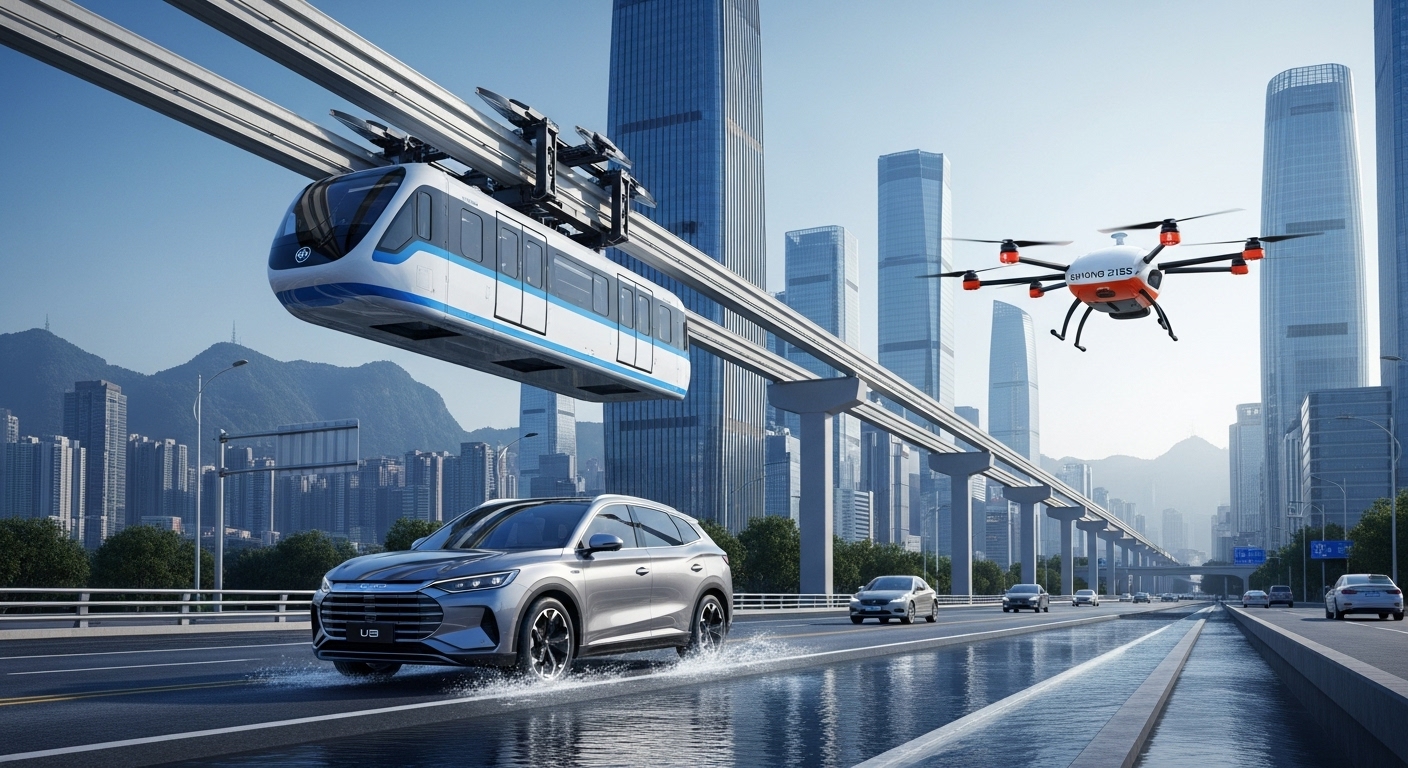
China is completely redefining the concept of Urban mobility and transport with technologies which look like exits from science fiction movies. From trains that float without friction to cars that fly and SUVs that sail in the water, the Asian country is leading a technological revolution that promises to transform as we move around the world.
In this article, we will explore the most impressive innovations that are shaping the future of transport, from revolutionary public transport systems to personal vehicles with extraordinary capabilities.
What you will find in this article:
1. Autonomous Air Train: Public Transport Suspended in the Air
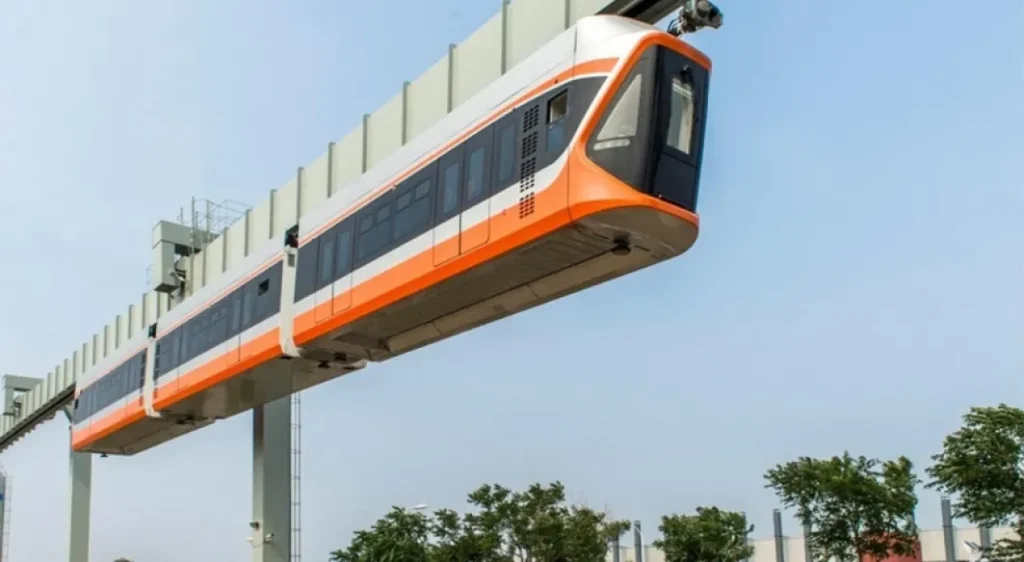
The Revolution of the High Monorail
China took a giant leap in public transport with the development of its first autonomous air train. This innovative system combines the efficiency of a conventional train with the practicality of a high transport, completely releasing the ground space.
Impressive technical features:
- Extension: 10.5 km of line
- Maximum speed: 60 km/h
- Capacity: up to 200 passengers per journey
- Construction time: only 7 months
Revolutionary Advantages
The system offers unique benefits that solve chronic problems of urban transport:
- Optimization of urban space: Frees pedestrian and vehicle streets
- A drastic reduction in accidents: Elimination of dangerous crossings
- Cost of benefit: Same investment as a conventional train
- Sustainability: Electrical operation with low energy consumption
- Adaptability: Ideal for complex and mountainous terrain
The city of Chongqing was a pioneer in the adoption of this technology, taking advantage of its unique mountainous geography where underground systems would be impractical and extremely expensive.
2. EHang 216S: The Flying Taxi That Is Reality
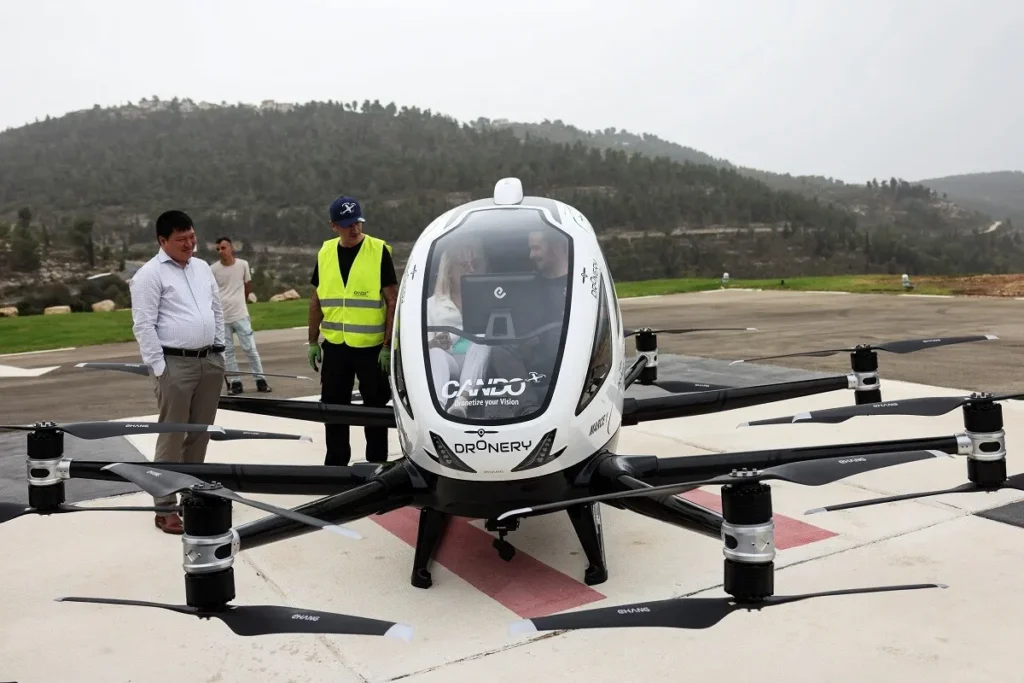
Autonomous Urban Air Transport
O EHang 216S it represents a milestone in urban aviation, being a fully autonomous drone taxi designed to revolutionize passenger transport in metropolitan areas.
Technical specifications:
- Capacity: 2 passengers
- Propulsion system: 8 pairs of rotors
- Autonomy: 30 km away
- Maximum speed: 130 km/h
- Dimensions: 1.93m high x 5.73m wide
- Maximum load: 620 kg
Advanced Security Technology
The flight control system is fully automated, allowing operation without human intervention. In case of rotor failure, EHang 216S is still operating safely and can perform emergency landings, demonstrating exceptional reliability.
Environmental benefits:
- 100% electric power supply
- Low noise levels
- Zero CO2 emissions
- Ecologically sustainable solution
3. BYD Yangwang U8: The SUV That Challenges the Laws of Physics
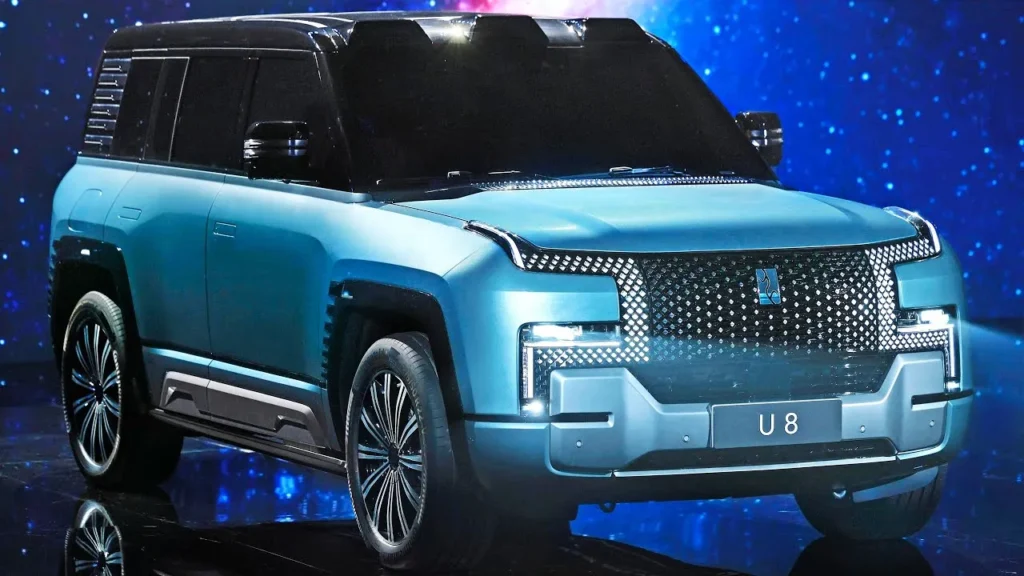
Luxury, Performance and Aquatic Capabilities
O Yangwang U8 is possibly the most impressive SUV ever created, combining extreme luxury with abilities that challenge imagination. This premium electric vehicle was developed to compete directly with Tesla Model X and Land Rover Defender.
Supercar performance:
- Price: US$ 50,000
- Engines: 4 independent electric motors
- Acceleration: 0-100 km/h in less than 3 seconds
- Hydraulic system: Height adjustment up to 150mm
- Special maneuver: Full 360° rotation stopped
Revolutionary Aquatic Capabilities
What makes U8 truly unique is its navigation capability:
- Default version: It crosses waters up to 1 meter
- Off-road version: Supports up to 1.4 meters deep
- Emergency float mode: Automatic activation in critical situations
- Floating time: Up to 30 minutes
- Water speed: 3 km/h
Aquatic Security System
In aquatic emergencies, the vehicle automatically performs:
- Engine shutdown
- Hermetic closing of windows
- Internal air circulation
- Opening the solar ceiling as an emergency exit
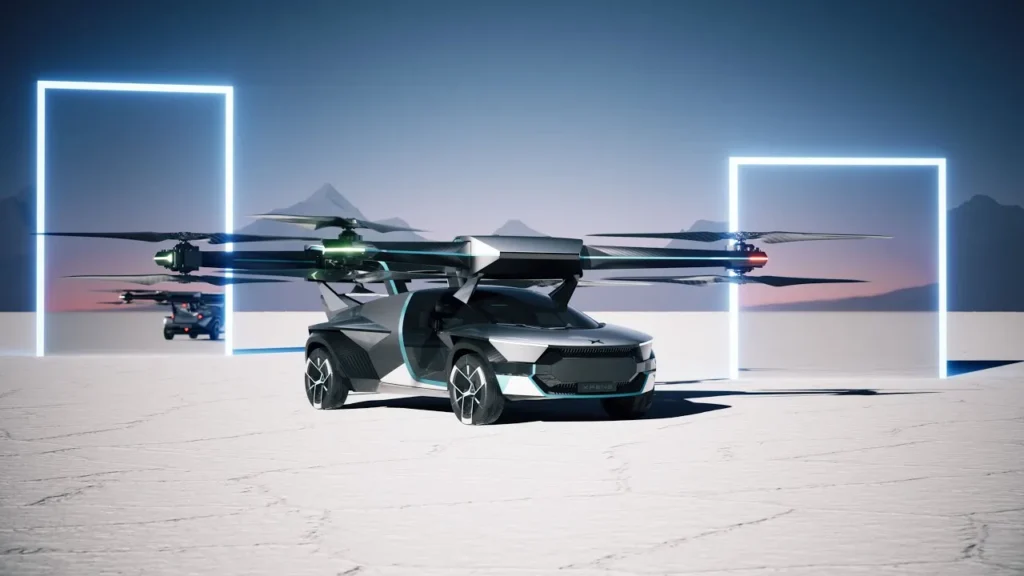
4. Xpeng X3: The Commercial Flying Car
Land Mobility and Integrated Air
O Xpeng X3 represents the natural evolution of personal transport, offering land and air capabilities in a single multifunctional vehicle.
Flight characteristics:
- Weight: 1,966 kg
- Propulsion system: 8 advanced rotors
- Maximum flight speed: 130 km/h
- Air autonomy: 35 minutes
- Overview: 270° in cabin
Innovation in the Recharge System
The great differential of the X3 is its integrated charging system, where the land module recharges the air module, offering unprecedented flexibility for mixed trips.
Intuitive controls:
- Steering wheel control and gear lever
- Manual and automatic modes
- Smooth transition between land and air modes
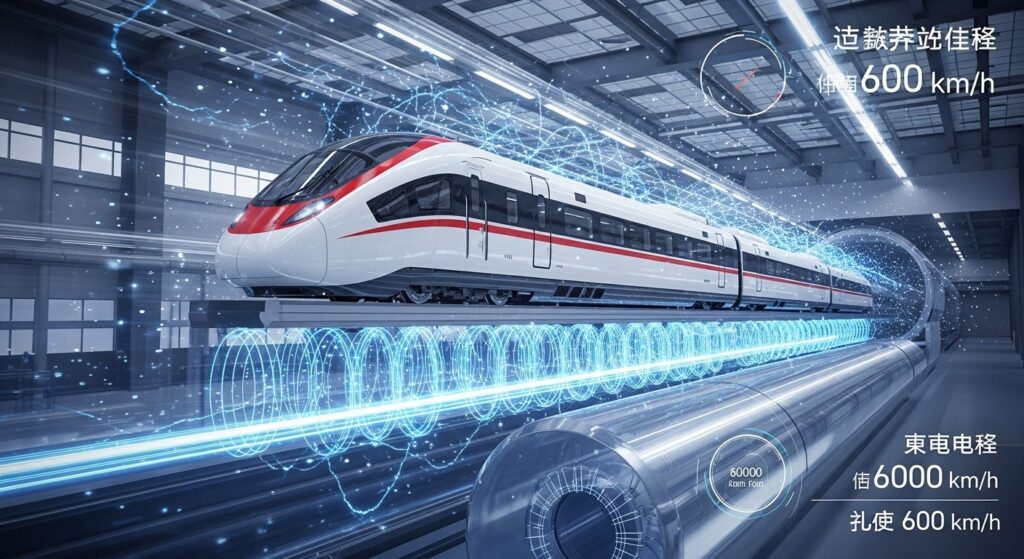
5. T-Flight: The fastest train in the world
Breaking Speed Barriers
O T-Flight, developed by China Aerospace Science and Industry Corporation, set new world record rail speed, surpassing the previous 623 km/h mark in vacuum tube tests.
Magnetic Levitation Technology
Revolutionary features:
- Propulsion: Magnetic Levitation (maglev)
- Operating environment: 2 km low vacuum tube
- Objective: Supersonic speeds (1,200 km/h)
- Efficiency: Severely reduced air resistance
Impact on National Transport
This technology promises:
- Reduced travel times drastically
- Superior energy efficiency
- National high-speed transport network
- Direct competition with commercial air transport
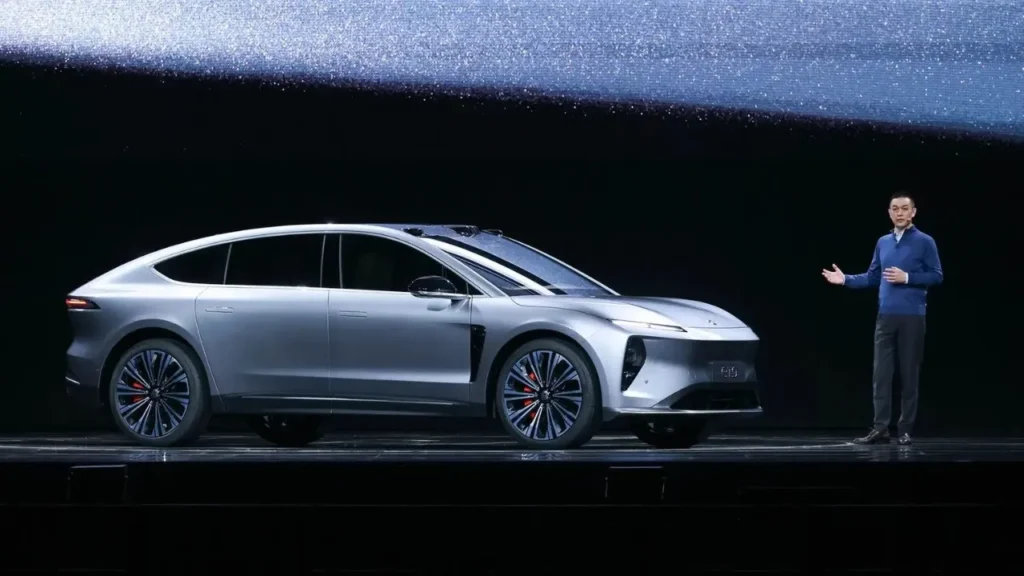
6. NIO ET9: Intelligent Chassis Technology
The Sedan That Removes Snow Alone
O NIO ET9 presents one of the most curious and practical innovations: the ability to remove snow from the ceiling automatically, similar to the movement of an animal shaking.
Premium specifications:
- Initial price: US$ 110,000
- Power: 707 horsepower
- Electrical architecture: 900V
- Ultra-fast charging: 160 km of autonomy in 5 minutes
- Competition: Tesla Model S and BMW i7
Smart Chassis System
The snow removal function is activated by the intelligent chassis and hydraulic suspension system, demonstrating how technology can solve everyday problems creatively.
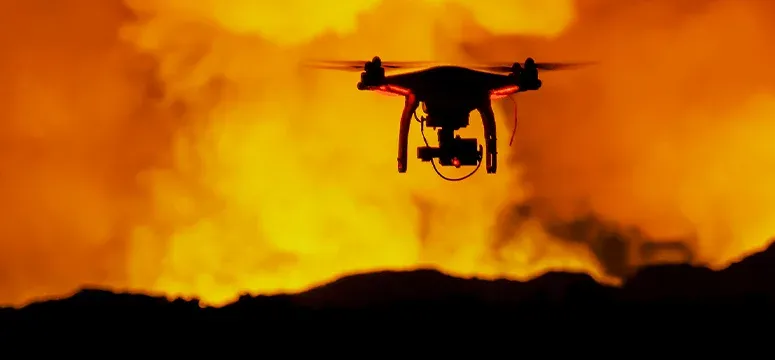
7. Firefighting Drones: Saving Lives with Technology
Revolving Emergency Combat
China has developed a complete line of specialized firefighting drones, especially effective in high buildings and hard-to-reach areas.
Main models:
General Aviation Equipment Manufacturing:
- Altitude: 200 meters in 30 seconds
- Application: High buildings inaccessible
Aerial Scooper:
- Capacity: 3.785 litres of water
- Specialty: Places of difficult access
Z50:
- Capacity: 50 litres of suppressors
- Cover: 200 m2 quickly
- Operation: Extreme climatic conditions
EHang Fire Fighter:
- Tank: 150 litres
- Special feature: Glass-breaker pumps
- Application: Skyscrapers
Integrated Technologies
These drones incorporate:
- Advanced thermal cameras
- Controlled flamethrower systems
- Accurate autonomous navigation
- Operation under adverse conditions
Shane: The Vehicle of Two Revolutionary Wheels
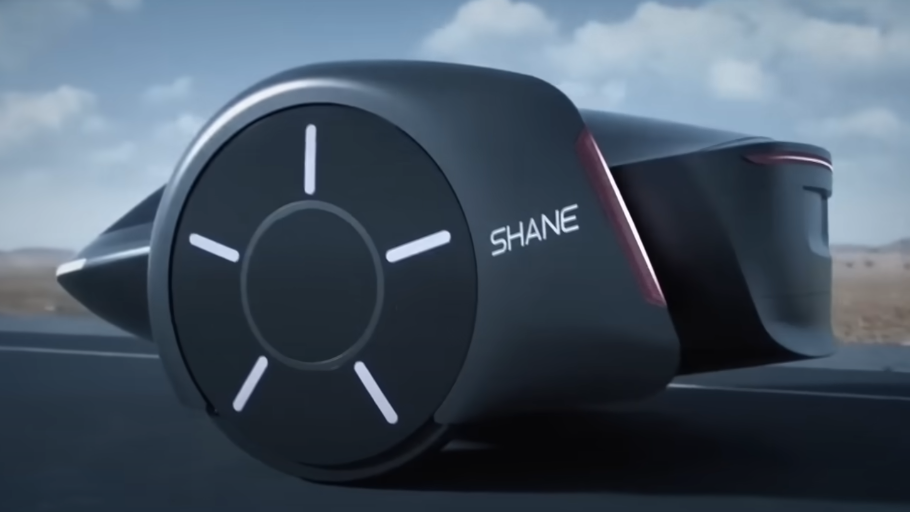
Futuristic Design and Practical Functionality
O Shane represents a completely new approach for urban vehicles, combining exceptional stability with radical maneuverability.
Unique characteristics:
- Design: Aerodynamic and compact
- Size: Similar to a small crossover
- Rotation capacity: 360° at the same point
- Stability: Optimized Gravity Center
- Efficiency: Reduced energy consumption
Stabilization technology
The centre of gravity displaced from the wheels ensures stability even in:
- Sudden accelerations
- Emergency braking
- Complex maneuvers
- Full rotations
Robotic Parking Systems: Complete Automation
DIMO: Intelligent Robots for Parking
A DIMO developed a revolutionary system of fully autonomous parking that eliminates the need for human intervention.
Main components:
- Centralised robotic arms: Millimetric precision
- Differential steering systems: Total control
- Intuitive interface: Simple parameter screen
- Sophisticated algorithms: Space optimization
System Benefits
- Maximum efficiency: Optimised use of space
- Total security: Removal of parking accidents
- Convenience: Fully automated process
- Accuracy: Perfect positioning of vehicles
The Future Is Already Here: Impacts and Perspectives
Transformation of Urban Mobility
These Chinese innovations are not just futuristic concepts – they are realities that are being actively implemented and tested. They represent a fundamental change in how we think about transport and mobility.
Expected impacts:
Environmental:
- A drastic reduction in emissions
- Less noise pollution
- Optimised use of urban space
- Sustainable energy solutions
Social:
- Increased transport accessibility
- Reduction of traffic accidents
- Reduced displacement time
- Improved quality of urban life
Economics:
- New markets and opportunities
- Superior energy efficiency
- Reduced operating costs
- Optimized infrastructure
Challenges and Considerations
Regulation:
- Need for new air traffic laws
- Safety certifications
- International operating standards
Infrastructure:
- Adaptation of cities
- Recharge and maintenance stations
- Air traffic control systems
Social Adoption:
- Public acceptance of new technologies
- Training and education
- Change of mind over transportation
Conclusion: China Leading the Transport Revolution
The innovations presented show that China is not only following the global technological trends – is defining the future World transport. From trains that break speed records to cars that fly and float, these technologies represent quantum leaps in human mobility.
The most impressive thing is that many of these innovations have already left the concept phase and are being tested or implemented in real scenarios. This means that the future of transportation is not a distant promise – it is a reality that is unfolding now.
Main conclusions:
- Technological diversification: China is investing on multiple fronts simultaneously
- Practicality and innovation: Solutions that solve real problems with advanced technology
- Sustainability: Focus on environmentally responsible solutions
- Systemic integration: Technologies that complement and integrate
- Implementation speed: From conceptualization to reality in record times
These innovations not only promise to transform transport, but to completely redefine how we interact with urban space and how we move around the world. China is setting new standards that will influence global technological development for decades.
The future of transport has arrived, and it is more impressive than we ever imagined.