The Chinese Rare Land Domain Strategy
China is conducting a silent strategic operation of mass accumulation of rare earths in 2026. While other countries discuss energy transition, petim already controls 70% of the global processing chain.
This movement is not improvised. It is the result of two decades of careful geopolitical planning. Rare minerals are as critical as oil was in the 20th century.
The implications are deep for Western technology. Your smartphone, electric car and computer depend on these 17 elements. China knows that better than any nation.
This article analyzes the strategic angles behind this massive purchase. We go beyond the superficial news headlines.
Why Are Rare Lands So Valuable?
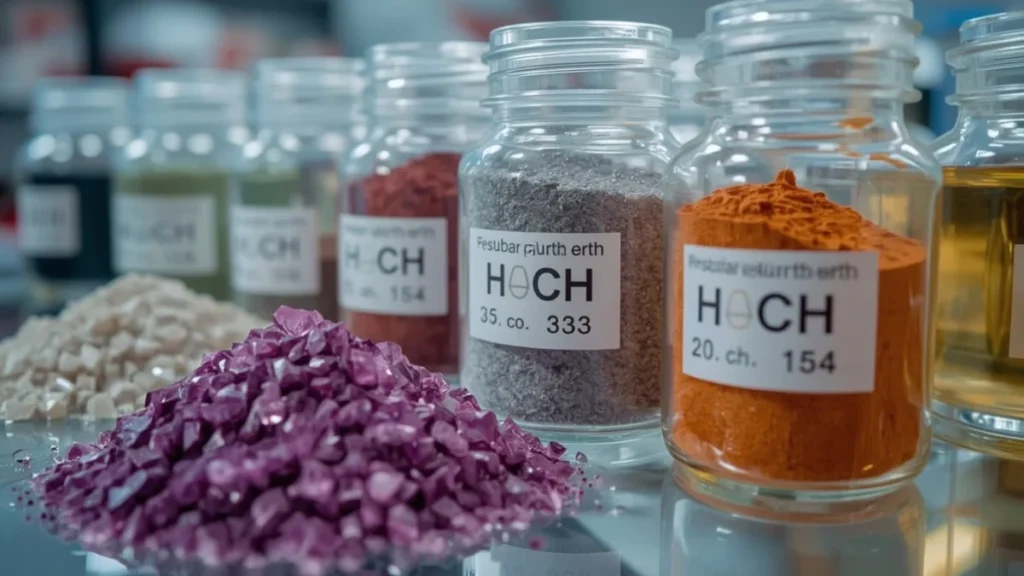
Why China Is Buying Rare Lands Mass In 2026
Rare lands are not gold or diamond. There are 17 chemical elements that look common But they're very rare in nature. They include lanthanum, neodymium and dysprosium.
These materials are essential for High power permanent magnets. An electric car engine needs neodymium. A wind turbine needs rare earth.
The defense industry also depends on them. Rockets, radars and missile systems use rare earth. A single American F-35 contains pounds of these minerals.
The global rare earth market exceeded $8 billion in 2025. The projections for 2026 indicate 15% growth due to the demand for batterys and semiconductors.
The 17 Elements That Move the World
Not all 17 elements have the same strategic importance. Some are abundant; others are extremely rare. China prioritizes the poorest and most demanding.
O neodymium and dysprosium lead the list of industrial importance. Together, they represent 60% of the total economic value of rare earth. They're in practically all modern technology.
Chinese Control of the Processing Chain
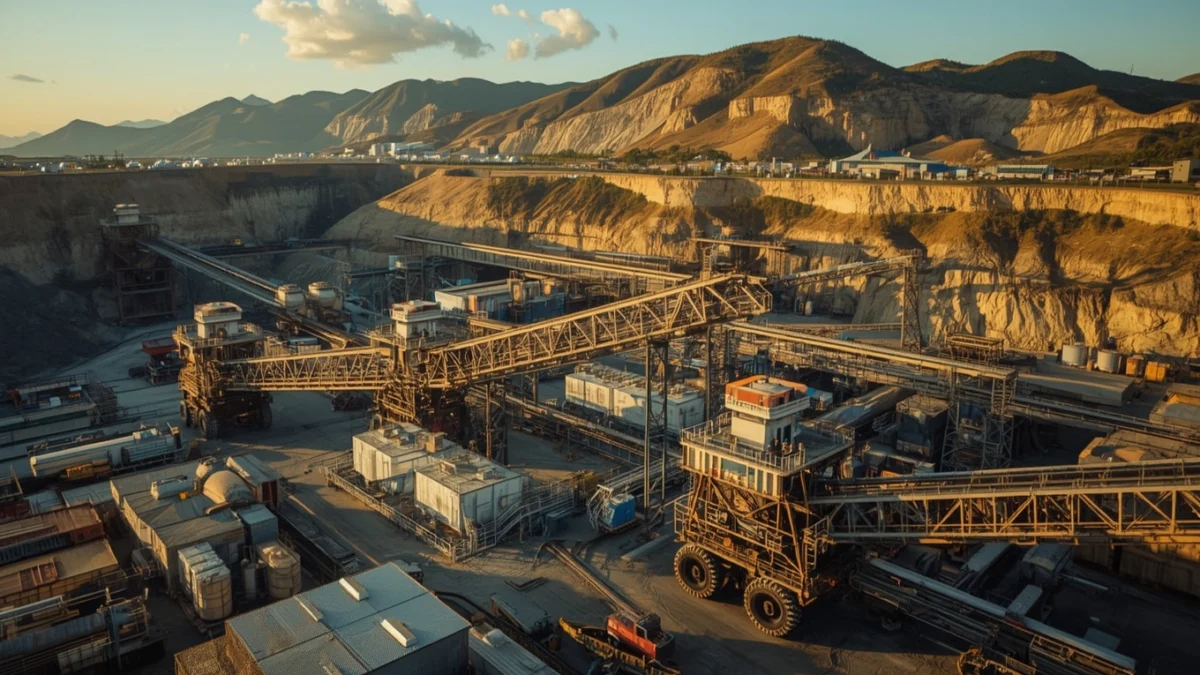
China not only extracts rare earth. She too. refine, process and transform these minerals in ready components. This vertical control is absolutely critical.
African countries such as Tanzania, Mozambique and Madagascar have huge reserves. But they have no technology to process. They need to sell raw ore to China.
China then turns this ore into magnets, special powders and alloys. Sells these processed substances for 10 times the original price to the West.
In 2026, Beijing controls approximately 95% of the overall rare earth refining capacity. This is the real monopoly, not just extraction.
How Chain Works Currently
The structure is simple but lethal. African mining extracts → China buys cheap → China refines and processes → Sells expensive to USA, Europe and Japan.
Each step adds exponential value. A kilo of rare earth crude ore costs $50. Refined, it costs $500. Processed in components, exceeds $5,000.
The Geopolitical Supply Security Race
The United States finally woke up to this vulnerability. The Biden administration invested 5 billion in domestic processing plants. Europe does the same.
But it takes 5 to 8 years to build a operating rare earth refinery. China already has 200 plants running. Time is the enemy of the West here.
The Chinese strategy is simple: buying now while prices are moderate. Accumulate strategic stocks. Control any future increase in demand.
Internal documents leaked show that Beijing plans to store 500,000 tons by 2028. That's twice the current annual global consumption.
"The country that controls rare earth controls the future of technology. China understood that in 2010. Now it's too late to keep up." — Mineral Resources Analyst, American Institute of Geopolitics
Impact on Global Technology Prices
When China reduces exports or increases restrictions, Electronic prices rise 20% to 30% In weeks. This happened in 2010, 2015 and 2022.
In 2026, the scenario is different. China isn't just storing. It is positioning itself to influence prices permanently and structurally.
Manufacturers of smartphones, electric cars and aircraft already feel the pressure. Profit margins shrink as costs of rare raw materials Fire.
The forecast is clear: electronic products will be 15% to 25% more expensive for Western consumers in the next two years. This is a hidden cost of Chinese monopoly.
Alternatives and Independence Movements
The West tries to diversify sources. Mining companies in Australia, Brazil and Myanmar increase production. But everyone still depends on China to refine.
Ambitious projects such as mining in deep water and lunar extraction are still practical science fiction. It takes 20 years to come true.
Recycling is the most realistic bet. Recovering rare lands from discarded electronics can generate 30% of future demand. But technology is still in initial development.
Some analysts suggest material replacement. Use copper instead of rare earth in certain components. But performance falls dramatically.
Emerging Countries As Alternative
Vietnam and Indonesia begin processing rare earth on a small scale. Malaysia reactivated decommissioned plants years ago. Progress is slow but real.
The main challenge is environmental. Rare earth refineries generate immense toxic waste. Few countries currently accept this environmental cost.
The Political Game Behind Massive Purchase
The Chinese acquisition of rare earth is more than economy. Yeah. military and political strategy disguised as a commercial transaction.
If conflict with Taiwan, North Korea or territorial in the South China Sea explodes, Beijing can suffocate Western technology by cutting exports.
European countries are already discussing this scenario. The EU published in 2025 its list of "critical raw materials". All 17 rare earths are at the top.
Japan and South Korea suffer silent pressure from China constantly. Without being able to refuse Chinese suppliers, they are held hostage by this power.
The Future: 2026 and Beyond
The Chinese massive purchase of 2026 marks a point of no return. O Western world finally realizes dependence, but it's too late for quick reversal.
Probable scenarios: technological racing for substitutes, billion-dollar investment in recycling and diversification of African and Asian suppliers.
The cost will be high. Computers and smartphones will cost more. The renewable energy industry will face production bottlenecks. The global energy transition will be delayed.
But the hardest reality is this: China has already won this game. The West is just beginning to understand the rules.
How It Affects You as a Consumer
Your next smartphone will be more expensive and possibly with less advanced technological features. Electric cars will suffer delivery delays and high prices.
Products with cutting edge technology will be scarce. Premium brands will suffer less; generics much more. Technological inequality will grow between rich and poor.
Devices with greater durability will gain value. Reparability and recycling have become a real priority, not just green marketing.
- Prices of electronics tend to increase 15-25% by 2027
- Shortage of specific components will cause production delays
- Demand for electronic recycling will explode exponentially
- New alternative materials will gain mass investment
- Renewable energy will face installed capacity limitations
- Rare earth geopolitical conflicts will increase dramatically
Why is China the only great rare earth processor?
China has invested in refining infrastructure since the 1990s when no one cared. Today, technology is proprietary, expensive and complex. Reproducing would require decades of research and billions of investment.
Are rare lands really that rare?
Nope. They're abundant in the Earth's crust. The problem is extracting without destroying the environment completely. China has accepted severe environmental degradation. Not the West. This difference creates an insurmountable advantage.
Can there be military conflict over rare lands?
Unlikely direct conflict just for that. But rare earths will be a silent weapon in larger conflicts. Taiwan is a perfect example: strategic economically, militarily challenged, with China controlling critical supplies.
When will the West achieve independence from Chinese supplies?
2035 to 2040 for partial. Complete, never. China will always maintain advantage and control. The West can only reduce vulnerability, not eliminate it.
China hoarding rare earth in mass is no passing news. It is historical inflection that will redefine geopolitics, technology and global economy. The West lost this match silently in their sleep.
What can you do? Understand this reality. Choose more durable products. Support recycling initiatives. And above all, to demand that their political leaders invest in genuine technological independence. The window of opportunity is closing fast.