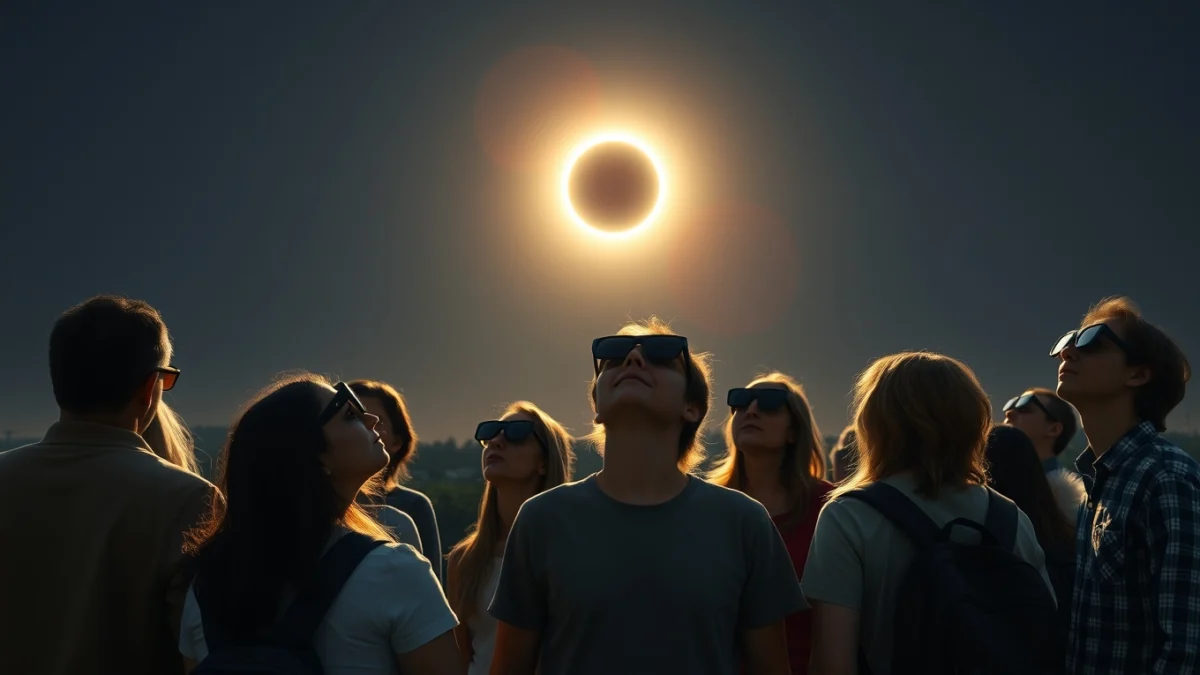
Prepare for one of the most fascinating astronomical events of the 2020s. One Solar eclipse will darken the day, turning the landscape into a sudden twilight. It is estimated that millions of people are in the way of this phenomenon in 2026. Curiosity about this heavenly spectacle grows every day. (source: technology news)
This article details everything you need to know. Understand what happens when sunlight is hidden. Learn how to observe the event with complete security.
Understanding the Phenomenon: Why Will the Solar Eclipse Darken the Day?
A solar eclipse occurs when the Moon It stands between the Sun and Earth. This setting aligns the three celestial bodies perfectly. The moon, even though it is smaller, can block sunlight.
This is because the moon is much closer to us. Its apparent size in the sky equals that of the sun. The result is a shadow projected on Earth.
The intensity of darkening depends on the type of eclipse. A total eclipse is the most dramatic. It turns the day into a momentary night.
Cities on the path of totality will experience full darkness. It is a rare and unforgettable event for many. Nature responds in visible ways.
Solar Eclipse Types
There are different forms of solar eclipse. Each of them offers a unique experience. The main difference is the sun cover by the moon.
O total eclipse It's the most spectacular. The Moon completely covers the solar disk. The sun crown, usually invisible, becomes visible.
Partial eclipses cover only part of the sun. The day doesn't get that dark. There is also the annular eclipse, forming a ring of fire.
It is crucial to understand what kind of eclipse will be visible. This directly influences preparation. It also determines the safety of observation.
Visual and Sensory Impacts: What to Wait for?
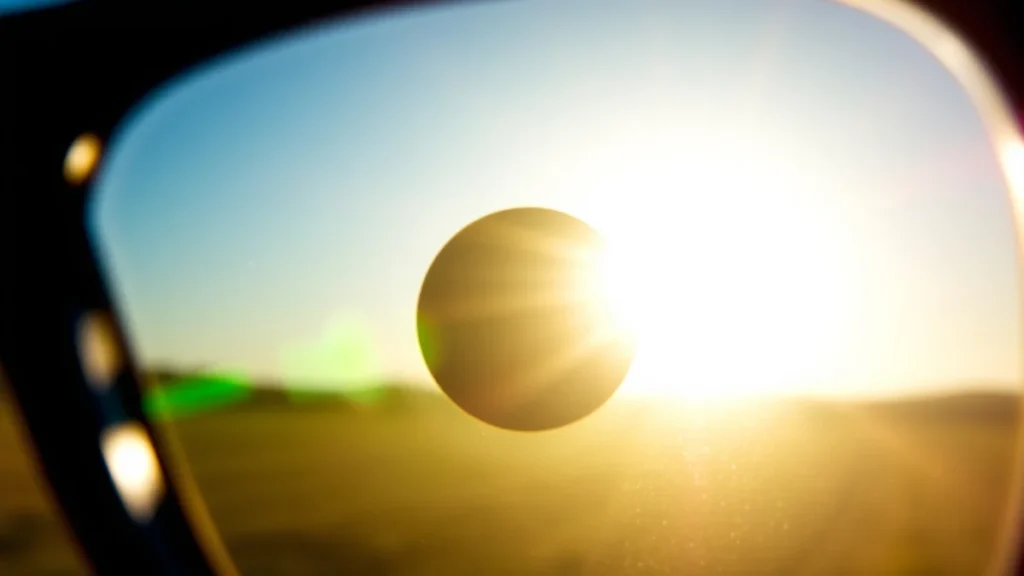
When a Solar eclipse will darken the dayThe visual impact is profound. The sky acquires shades of dark blue and orange. Brighter stars and planets can appear.
The air temperature tends to drop rapidly. This creates a feeling of unexpected freshness. It's a remarkable environmental change.
Animals also react to sudden darkening. Birds can stop singing or look for their nests. Night bugs may begin to appear.
People feel a mixture of admiration and reverence. It's a powerful reminder of our position in the cosmos. Many report an almost mystical experience.
Safety First: How to Observe Solar Eclipse?
Observing a solar eclipse requires strict precautions. Looking directly at the sun can cause irreversible damage to vision. The retina can be burned permanently.
Common sunglasses do not offer enough protection. They filter only a small part of the ultraviolet light. It's vital to use certified equipment.
Look for ISO 12312-2 certified eclipse glasses. These special filters block the harmful radiation. They allow for a safe and clear view.
Another safe option is projection. Use a dark box or binoculars to project the image of the Sun. This avoids direct contact with light.
Essential Preparations for Safe Observation
Your visual security is top priority. Planning ahead is fundamental. Get your protective equipment early.
Here are practical steps:
- Get eclipse glasses ISO certificates.
- Check filter integrity before use.
- Never look at the sun through binoculars or telescopes without suitable sunscreen.
- Learn the technique of indirect projection.
- Choose a place with good visibility.
- Prepare for temperature changes.
- Find out about the exact eclipse times in your region.
Science Behind the Show: Research and Discoveries
Solar eclipses are valuable opportunities for science. They allow the study of the solar crown. This part of the Sun's atmosphere is mysterious.
During a total eclipse, the crown is visible. Scientists collect data on its temperature and composition. This helps to understand solar behavior.
Phenomena such as coronal mass ejections are studied. They affect the Earth's space climate. More precise predictions are possible.
Gravity is also tested during eclipses. Observations seek small distortions. This confirms Einstein's theories of relativity. Many research projects are planned for 2026.
"Solar eclipses are moments of connection. They remind us of the greatness of the universe and the importance of science. Each event teaches us something new about our own Sun and our place in it." – Dr. Marina Silva, Astrophysics.
Cities and Regions on the Path of Total Darkness in 2026
The path of a total eclipse is narrow. Only a few localities will experience complete darkening. Millions of enthusiasts travel to these points.
By 2026, some regions of the globe will be privileged. It is essential to consult updated NASA maps. They show the exact trajectory of the lunar shadow.
Make sure your city is within the full range. This will determine the experience you will have. Many special events will be organized.
Even out of totality, a partial eclipse is impressive. The day can still dark partially. It's a vision worth watching safely.
Curiosity and Myths Associated with Solar Eclipse
Eclipses have always aroused fascination and sometimes fear. Ancient cultures have created many myths. Dragons or demons were regarded as sun-eating.
In China, a heavenly dragon was guilty. In Vietnam, a giant frog. These myths show the universality of human astonishment.
Today, we know the scientific explanation. But mysticism still permeates popular culture. The aura of mystery remains.
It's important to differentiate science from superstition. Enjoy the event with knowledge. Demystify unfounded beliefs.
What is a total solar eclipse?
A total solar eclipse occurs when the Moon completely covers the Sun. It casts a dark shadow on the Earth. The day becomes night for a few minutes.
When will the next solar eclipse darken the day?
The next great event in which a Solar eclipse will darken the day It will take place in 2026. It is crucial to check visibility maps. They show the exact regions.
Is it dangerous to look directly at a solar eclipse?
Yes, it's extremely dangerous. Looking directly at the sun without adequate protection can cause permanent blindness. Always wear specific and certified glasses.
How can I safely observe the solar eclipse?
Wear ISO 12312-2 certified eclipse glasses. Another safe way is indirect observation. Design the image of the Sun through an instrument. Learn more about how to Watch Total Solar Eclipse Safely.
Conclusion: Prepare for an unforgettable phenomenon
We await one of nature's greatest spectacles in 2026. When the Solar eclipse will darken the dayWe'll have a unique chance. Be prepared to experience this event in a safe and informed way. Share magic and science with everyone around you.
Sources and References
- Watch Total Solar Eclipse Safely
- what is a total solar eclipse and how it affects daylight