Goodbye, Addicted Battery: The promise of solid-state batteries is getting closer and closer to coming true, and 2026 is looking like the year that technology will finally begin to transform the way we interact with our gadgets. If you've ever felt the frustration of a smartphone that can barely stand until the end of the day, or the anxiety of looking for an outlet at critical times, know that an era of energy freedom is on the horizon.
What you will find in this article:
On the TecNerds website (technerds.com.br), we are always attentive to innovations that shape the future, and few are as impacting as the imminent arrival of solid-state batteries. They promise not only to solve the chronic problems of current batteries, but to redefine our expectations about autonomy, safety and speed of charging on our portable electronics.
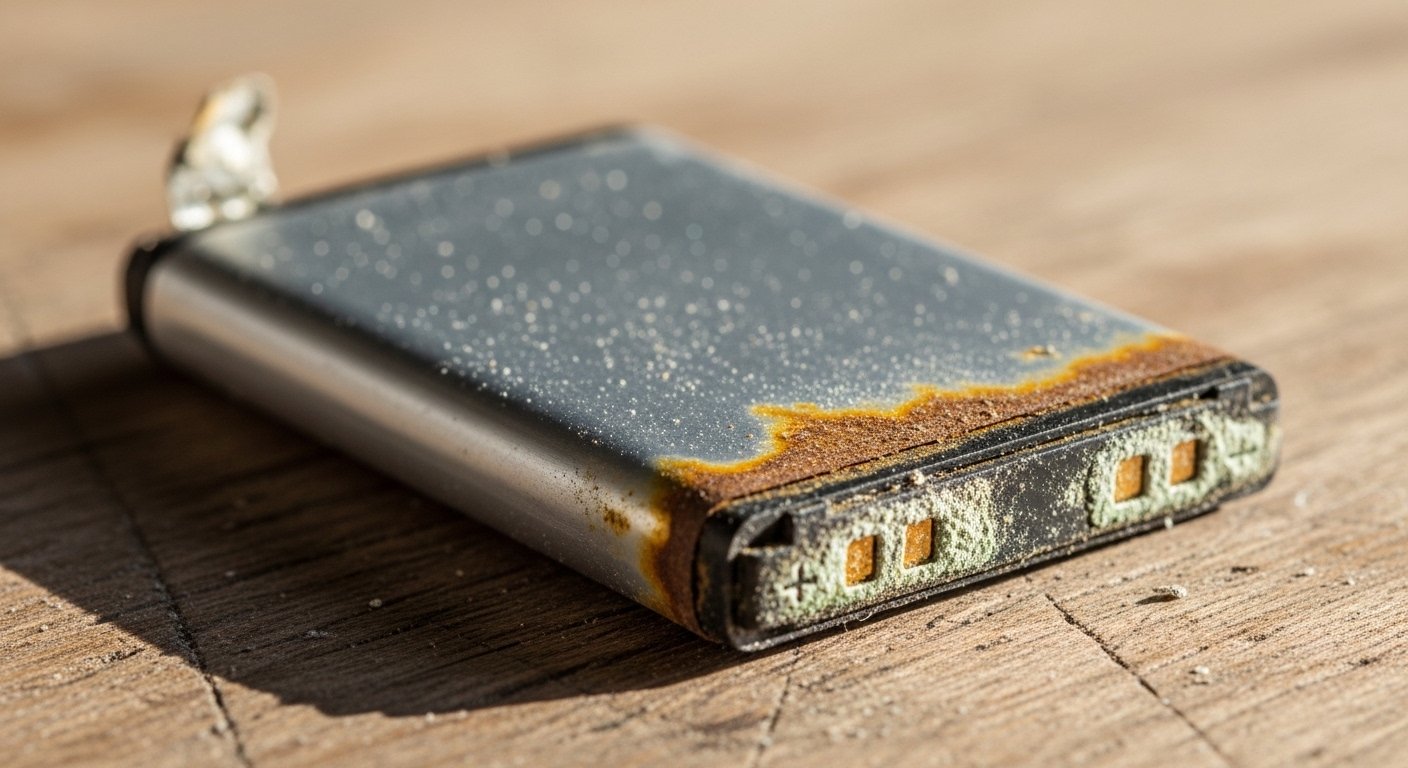
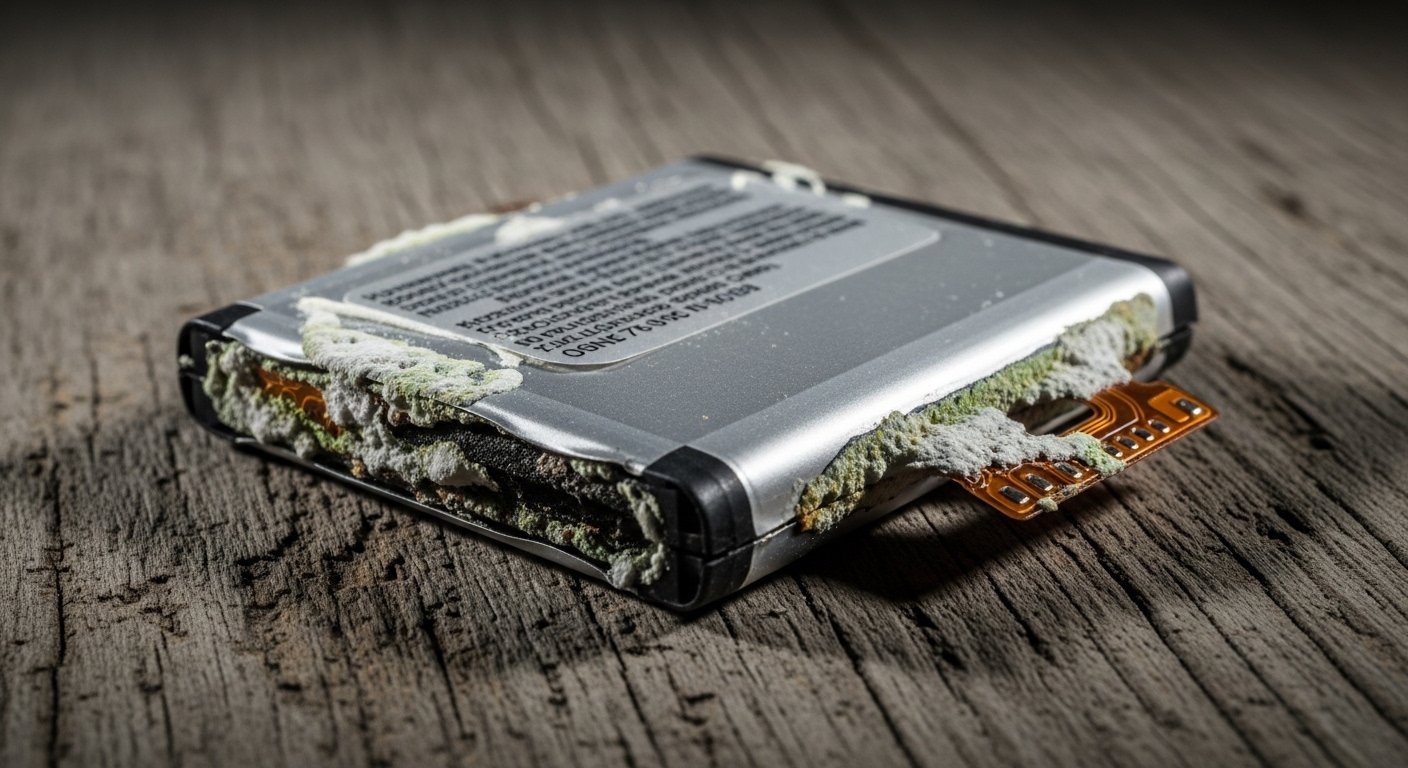
For years, the ion-lithium battery dominated the market, driving the revolution of smartphones, laptops and electric vehicles. However, this technology has reached a plateau in terms of advancement and carries well-known limitations: limited service life, gradual degradation of capacity (the feared "addicted effect"), risks of overheating and fire in extreme cases, and the need for robust components for thermal management.
What's next? Prepare to unravel how solid state batteries are about to turn the game, providing an unprecedented user experience and releasing the full potential of the next generation of devices.
The End of Take Dependency: What Are Solid State Batteries?
To understand the magnitude of the coming revolution, it is essential to understand what solid-state batteries are and how they differ from their predecessors. Currently, most of our gadgets use ion-lithium batteries, which contain a liquid electrolyte to allow the flow of lithium ions between the anode and the cathode. It's this liquid electrolyte that is the Achilles heel of conventional batteries.
Solid state batteries, as the name suggests, replace this liquid electrolyte with a solid material. This material can be a polymer, a sulfide, or an oxide, and it allows the conduction of lithium ions.
The change from a liquid to solid component may seem trivial at first sight, but its implications are vast and transformative for energy storage technology.
This innovation not only promises higher energy density, which translates into more autonomy for your gadgets, but also directly addresses critical security and longevity issues that torment current batteries.
Imagine a battery that can store much more energy in a smaller space without the risk of leaks or combustion. That's exactly what solid state technology is designed to deliver.
The transition to solid electrolytes eliminates the risk of lithium dendrites (small needle-shaped structures that can grow in the liquid electrolyte and cause short circuits), making the battery intrinsically safer and more durable.
This technological leap is not just an improvement, it is a fundamental redefinition of battery architecture, paving the way for thinner, lighter and more powerful devices.
The Undeniable Advantage: Benefits You Will Feel Day by Day
Solid state batteries are not just a theoretical advance; they bring a number of tangible benefits that will directly impact your gadget experience from 2026. The promise is of a future where concern for the battery becomes a thing of the past.
Autonomy That Lasts Days, Not Hours
One of the biggest differentials of solid state batteries is its ability to offer a significantly higher energy density. This means that for the same size and weight of an ion-lithium battery, a solid state battery can store from 2 to 3 times more power. For the end user, this translates into:
- Smartphones that last 2 or 3 days with a single charge, even with intense use.
- Laptops that hold a week's work without having to take it.
- Smartwatches and wearables that you only have to carry once a month.
- Drones with extended flight time And cameras that record for hours on end.
This revolutionary autonomy not only eliminates "low battery anxiety" but also allows you to use your devices in ways that were previously impractical, whether on long trips, camps or working days without easy access to a socket. The freedom not to be chained to the charger is undoubtedly one of the greatest attractions.
Overloading: Minutes Worth Hours
In addition to extended autonomy, the architecture of solid state batteries allows much faster charging rates. The solid electrolyte is more stable and can handle higher currents without the risk of overheating or degradation. Companies like QuantumScape have already demonstrated prototype solid-state batteries that can reach 80% charge in just 15 minutes without any negative impact on battery life.
For you, this means that a quick coffee break may be enough to charge your smartphone for the rest of the day. Instead of planning your schedule around the charging cycles, you will have the flexibility to recharge your devices in a blink of an eye, reintegrating them to your routine with minimal interruption. This charging speed will be a watershed, especially in emergency situations or when you have little time before leaving.
According to experts in the field of renewable energies, "the replacement of the liquid electrolyte with a solid eliminates the barriers of ion and thermal diffusion, allowing solid state batteries to support much larger charge and discharge currents, a real revolution for portable electrical and electronic mobility."
Reinforced Security and Prolonged Useful Life: Say Good-bye to Risks and "Vice"
Safety is a primary concern in any electronic device, especially with increased power and miniaturization. Lithium-ion batteries, although generally safe, have a flammable liquid electrolyte that, on rare occasions and under extreme conditions of damage or failure, can cause overheating and even fires. Solid-state batteries eliminate that risk.
The solid electrolyte is not flammable, which makes these batteries intrinsically safer. Without risk of leaking flammable liquids or formation of dendrites that can pierce the separators, the chance of an uncontrolled thermal event is drastically reduced. This means greater peace of mind for the user and the possibility of more daring device designs without the need for so many security components.
In addition to safety, the life of solid-state batteries is expected to be much longer. Ion-lithium batteries "vied" over time, losing capacity after hundreds of charging and unloading cycles. This is due to the degradation of the liquid electrolyte and the formation of layers in the interface of the electrodes. With a stable solid electrolyte, degradation is minimized, allowing the battery to maintain a high percentage of its original capacity for thousands of cycles.
This translates into fewer battery changes, less waste disposal and a longer service life for your gadgets, which is beneficial for both your pocket and the environment. A recent study published in scientific energy journals highlights that "electrochemical stability of solid electrolytes is the key to the higher longevity and safety of solid state batteries, marking a significant advance on existing ion-lithium technologies." (Reference Scielo).
Who's on the Technology Race Front?
The race to market solid state batteries is intense, with large players from the automotive and technology industry investing billions in research and development. Several companies are at the forefront, and their advances give us a good idea of what to expect for 2026 and beyond.
Technology Giants and Innovative Startups
- QuantumScape (USA): One of the best known, QuantumScape has strategic partnerships with Volkswagen and has made impressive demonstrations of prototypes that offer high energy density and fast charging. They initially target the electric vehicle market, but technology has direct applications in gadgets.
- Solid Power: Another prominent company, supported by Ford and BMW, focused on solid sulfide electrolytes. They are advancing rapidly in large-scale production and also have an eye on the consumer electronics market.
- Samsung (South Korea): The South Korean giant has a robust history of battery research and has explored sulfide electrolytes. Rumors and patents indicate that they are very close to integrating solid-state batteries into their next smartphones and other portable devices, possibly already in 2026, with prototypes showing impressive capacity.
- CATL (China): The world's largest battery manufacturer for electric vehicles, CATL is also investing heavily in solid state research, seeking to maintain its leadership in the energy market.
- Toyota (Japan): Toyota is one of the most patented companies in the area of solid state batteries and has demonstrated a serious commitment to technology, initially targeting its electric vehicles, but with the potential to scale for other applications.
These companies are working not only on the chemistry of materials, but also on the challenges of mass manufacturing, which are complex due to the nature of solid electrolytes and the need for perfect interfaces between components. Collaboration between battery manufacturers and electronics companies will be crucial for the rapid adoption of this technology.
Timetable for Arrival in Your Gadgets: The 2026 Window
The question everyone wants to know: when will we have solid state batteries on our smartphones and other devices? The answer is very soon, with 2026 being a crucial year for the transition.
Although laboratory prototypes have existed for years, mass production and integration into consumer products require overcoming challenges such as cost, scalability and performance optimization in various conditions of use. However, recent advances suggest that we are in the cusp of marketing.
In 2026, it is highly likely that we will begin to see the first generations of solid-state batteries being integrated into:
- Premium Smartphones: Manufacturers like Samsung and Apple are constantly seeking innovations that justify their higher prices. The solid state battery will be a huge competitive differential.
- High Performance Wearables: Smartwatches, wireless headphones and other small devices will greatly benefit from higher energy density and security. Imagine a smartwatch that you only have to load once a month.
- Laptops Ultrabooks: Thiner and lighter models, with autonomy that allow full working days away from the socket, will become the new standard.
- Professional Drones and Cameras: Extended autonomy and fast loading will be crucial for these devices, allowing longer and more efficient work sessions.
Although initial penetration may be restricted to high-cost devices, the trend is that as production scale and costs decrease, technology becomes popular rapidly, following the pattern of many innovations in the electronics sector. Starting in 2026, the promise of "goodbye, addicted battery" will begin to materialize for a growing number of consumers, completely redefining the experience of using their gadgets.
Challenges and the Way Forward for Future Batteries
Despite all promises and enthusiasm, it is important to recognize that large-scale implementation of solid-state batteries still faces some challenges. The transition from a laboratory to the mass production line is complex and requires continuous innovation in materials engineering and science.
Production costs and scalability
Currently, the production costs of solid-state batteries are significantly higher than those of ion-lithium batteries. This is partly due to the need for more precise new materials and manufacturing processes and often slower. The research focuses on developing cheaper materials and manufacturing methods that can be scaled to meet global demand for electronics and electric vehicles.
Performance Optimization and Durability at Various Temperatures
Although prototypes show exceptional performance, ensuring that solid-state batteries work optimally in a wide range of temperatures and conditions of use, maintaining longevity, is a continuous challenge. The interface between solid electrolyte and electrodes is critical and needs to be stable to avoid performance losses over time. The "contact resistance" in the interfaces is a main focus of research, seeking materials that allow an efficient and lasting ionic conductivity.
However, collaboration between the academy, startups and industry giants, together with the support of government initiatives for clean energy and technological advances (Ministry of Science, Technology and Innovations of Brazil), is accelerating progress. Every day, new advances are announced, approaching the reality of gadgets with batteries that really release us. The year 2026 is not just an expectation, but a realistic milestone for the beginning of this transformation, and TecNerds will be here to keep you informed about every step of this journey.
The Future of Portable Energy in Your Hands
The transition to solid state batteries represents more than just an incremental improvement; it is a paradigmatic change in the way we think about the energy of our devices. This technology will not only solve the problem of "addicted battery" but will also open doors to innovations in product design and functionality that we do not even imagine today. Finer, more flexible and more powerful devices will become the norm, driven by a higher energy source.
Think of the impacts on all spheres of your digital life: a smartphone that recharges in record time, going through laptops that allow uninterrupted weeks of work, even electric cars with autonomy that rival combustion vehicles, charging in a few minutes. Eliminating the safety risks associated with liquid electrolytes is an additional bonus that will bring peace of mind to consumers and allow manufacturers to design devices with greater freedom and boldness.
Solid state battery technology is a rapidly evolving field, with intense research and billions of dollars being invested globally. Advances in materials, manufacturing processes and cell engineering are converging to make this promise a reality. Although the first products with this technology may be more expensive, the history of the electronics industry suggests that costs will decrease rapidly as mass production stabilizes.
In 2026, when you are holding your new smartphone or using your ultralight laptop that seems never to need charging, remember that you will be witnessing the beginning of a new era. An era where energy is abundant, safe and ultra-fast, and frustration with the addicted battery will become a distant reminder. Tecners will closely follow this evolution, bringing all the news and analysis about how solid state batteries will, in fact, transform their gadgets and their digital life.
Frequently Asked Questions about Solid State Batteries
1. What makes solid-state batteries superior to ion-lithium batteries?
Solid state batteries use a solid electrolyte instead of a liquid, which allows for higher energy density (more autonomy), ultra-fast charging, greater safety (non-flammable electrolyte) and longer service life without the common "addiction" of ion-lithic batteries.
2. When can I expect to see solid state batteries in my gadgets?
The expectation is that the first solid-state batteries begin to appear in premium consumer products, such as smartphones and high-performance laptops, starting in 2026. Popularisation for more accessible devices should take place in the following years as production costs decrease.
3. Are solid-state batteries really safer?
Yes, significantly. The solid electrolyte is not flammable, eliminating the risk of overheating, leaks and fires that, in rare cases, may occur with ion-lithium batteries. This makes them a much safer option for portable electronics and vehicles.
4. How long will a solid-state battery last on a smartphone?
With the highest power density, a smartphone with a solid-state battery is expected to last 2 to 3 days with a single charge, even with intense use. The total battery life in terms of charging and unloading cycles will also be much longer, maintaining its capacity for many years.
Conclusion: A New Tomorrow for Your Devices
The age of addicted battery is numbered. Solid state batteries are not just a futuristic promise; they are a technological reality that is materializing before our eyes, with the year 2026 marking a decisive turning point. Prepare to experience a new dimension of autonomy, speed and security in your gadgets.
It is time to redefine your expectations and prepare for a world where your devices work longer, carry faster and accompany you in all your adventures without constant concern for the next take. Do you want to keep track of every breakthrough in this energy revolution? Keep following TecNerds for the latest news, analyses and trends that will shape your technological future. The future of portable energy is coming, and it will be spectacular.