When we talk about exploring the universe, what comes to your mind? Images of astronauts in futuristic costumes? Spaceships crossing galaxies? Despite these fantastic ideas, the real revolution has been happening silently but impactful: through Space robotics. This area of technology is transforming as we see and interact with the universe, and today we will explore this theme in a simple, clear and full of curiosity.
What you will find in this article:
But what is Space Robotics anyway?
If you've never heard of that term, relax, you have no mystery. Space robotics is the engineering area that creates robots to work in space. And why is that important? Well, these equipments take on tasks that would be impossible or extremely dangerous for humans. From repairing satellites in orbit to exploring planets like Mars, the robots have been the true debauchery of the universe. Without them, many of our space discoveries would simply not exist.
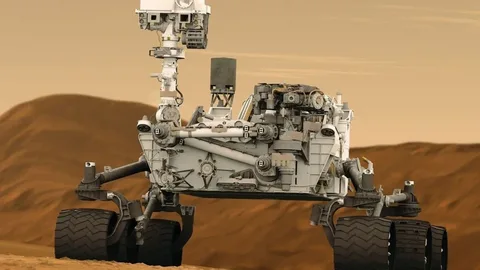
A famous example is the rover Perseverance, which is currently on Mars collecting important data on the red planet. Only that already shows how space robotics are essential for science.
LEIA TAMBEM: Armed Robotic Dogs: A New Reality in Chinese Military Technology
Why are Robots So Important in Space?
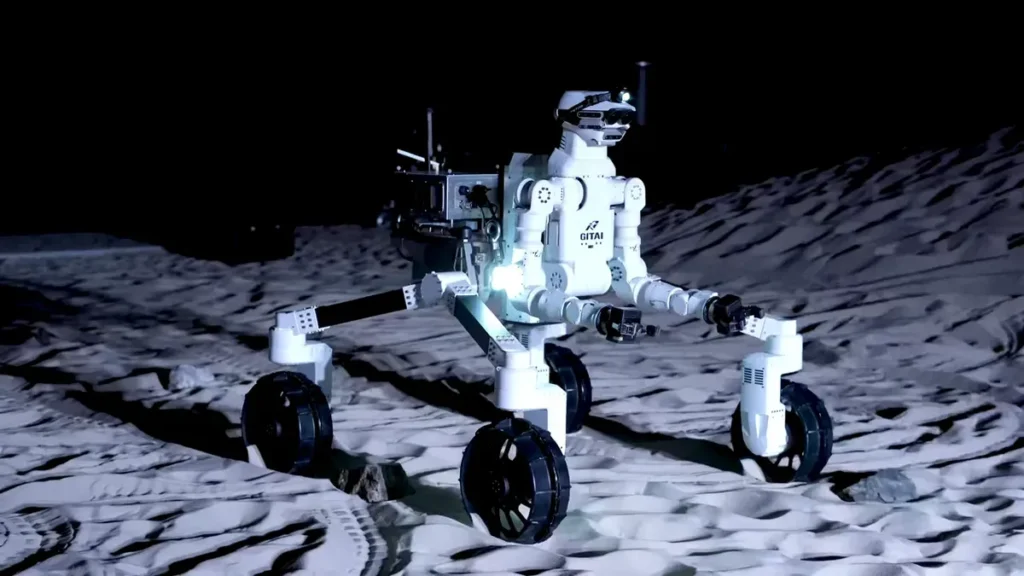
If you think robots are just "occupying the place" of humans, it's not quite like that. They exist to make the job safer, efficient and possible. Let's better understand the main benefits they bring:
- More security for astronauts: Did you know that space is one of the most hostile environments that exist? High radiations, extreme temperatures and the absence of gravity are just some of the challenges. With robots, it is possible to carry out dangerous missions without risking human lives.
- Accurate and efficient work: Imagine a robotic arm at the International Space Station (ISS). It can perform complicated maintenance with an accuracy that a human would not achieve in microgravity conditions.
- Access to unachievable locations: Have you ever thought about exploring the background of a lunar crater or the inside of caves on Mars? These are impossible scenarios for humans, but the robots are there, unfolding the unknown.
Applying Robotics in Space
Now that you know why robots are so important, let's talk about the most impressive applications of this technology. There are several types of space robots, each with a specific function. Here are the main ones:
- Rovers: These robots on wheels are real planet explorers. Perseverance, for example, is analyzing Martian soil in search of life signs. And you know what's cooler? He does all this autonomously!
- Robotic arms: Gifts on the ISS, these equipment help in tasks such as capturing damaged satellites or installing new modules in the station.
- Space drones: Imagine small autonomous vehicles inspecting spacecraft or exploring restricted areas. They are already reality and help keep everything under control upstairs.
These applications not only make space missions easier, but also extend the horizons of interplanetary exploration.
Innovations Making Difference
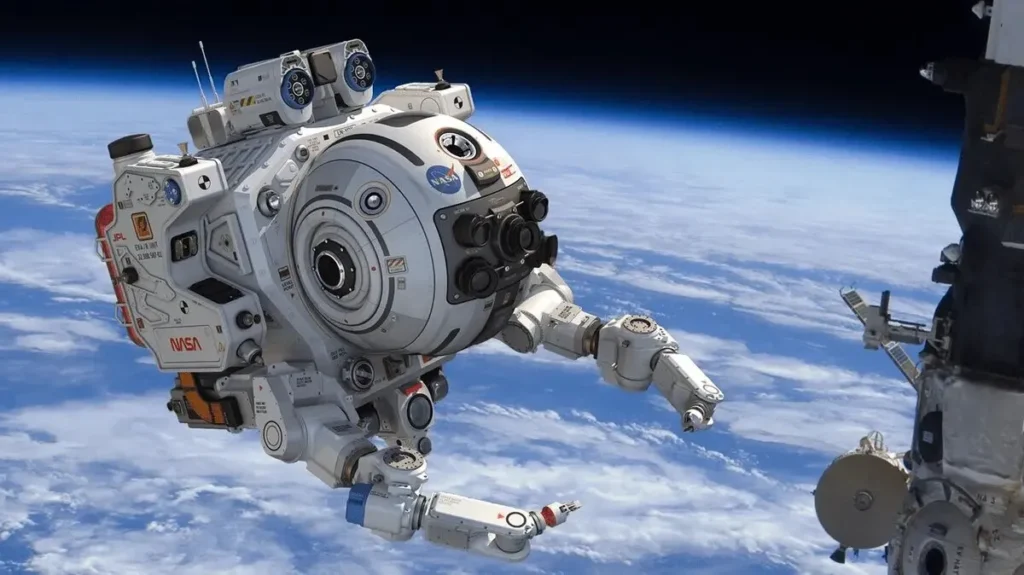
It's impressive how technology advances fast, isn't it? In space robotics, recent advances have been to fall the chin. For example:
- Artificial Intelligence (IA): Robots can now make decisions alone in real time. This means that even millions of miles from Earth, they can analyze situations and react quickly.
- New materials: To resist extreme space conditions, scientists have developed lighter and more resistant materials. This allows robots to move more easily and spend less energy.
- Renewable energy: Many space robots already use solar panels as a source of energy, ensuring more lasting and sustainable operations.
Not All Are Flowers: Challenges of Space Robotics
Like any technology, space robotics also face their challenges. Here are some of the biggest problems:
- High cost: Can you imagine how much it costs to build and launch a robot into space? They are astronomical ciphers, literally.
- It takes time in communication: When a robot is on Mars, for example, communication signals can take up to 20 minutes to arrive. That complicates operations a lot.
- Maintenance difficulty: If a robot breaks into space, repairing it is a mission by itself. Often this means that it can no longer be used.
Even so, advances do not stop, and scientists around the world are committed to overcome these obstacles.
Brazil is also in this race!
If you think Brazil does not participate in this game, it can rethink. The country has invested in space programs such as CBERS (Syno-Brazilian Satellite of Land Resources). This project, the result of a partnership between Brazil and China, uses robotic systems for Earth monitoring operations.
In addition, there are initiatives from private companies and Brazilian universities that are developing innovative technologies in this area. It may be just the beginning, but Brazil has shown that it can also contribute to space exploration.
And what comes by There?
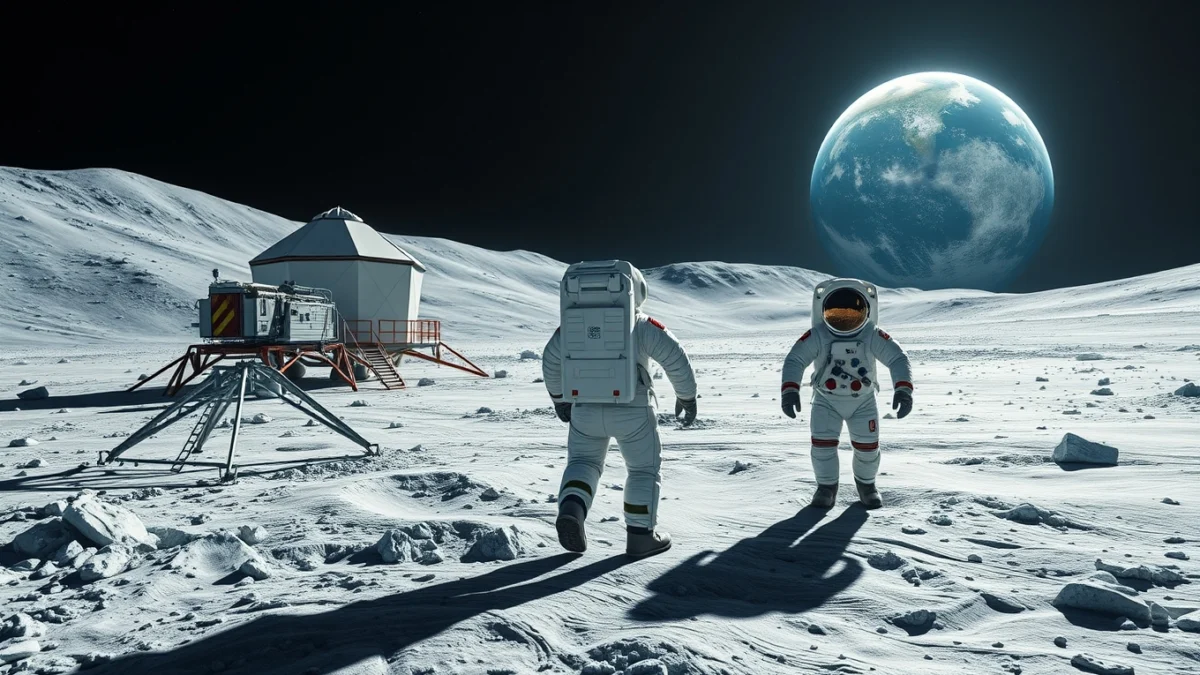
The future of space robotics is exciting. We are talking about ambitious projects, such as Mars colonization and the construction of bases on the Moon. These missions will depend heavily on robots, which will be the first to arrive, prepare the ground and ensure that everything is ready to receive humans.
Companies like SpaceX they are leading this race, but they are not alone. Space Agencies from various countries and private companies are collaborating to transform dreams of science fiction in reality.
Closing the Journey
Space robotics is not just a set of machines working in space. It is a proof of the human potential of overcoming limits and exploring the unknown. It connects us to the universe in a way we haven't imagined for a few decades.
Understanding and supporting this Technology it is crucial to continue unfolding new worlds. After all, every advance is not just about robots; it is about us, humans, going further than we have ever been.
If you found this topic interesting, how about sharing with others? Who knows you don't inspire someone to fall in love with space science?