Know how to avoid digital blows to Pix it is an urgent need for any brazilian who uses the instant payment system. Since the launch of Pix by the Central Bank in November 2020, the system has won over 160 million users — and also attracted increasingly sophisticated criminals. In 2026, the blows involving Pix are responsible for billions of reais in annual losses, making knowledge about digital security a question of financial survival.
In this complete guide, developed by the team of TecNerds, you will find real practical examples, accurate technical data and guidance based on verifiable sources to protect your money effectively.
What you will find in this article:
The Scenario of Blows in the Pix in 2026
Pix is designed to be fast, free and available 24 hours a day — exactly the characteristics that also make it attractive for fraudsters. According to data from Central Bank of Brazil – Pix Security, the volume of transactions via Pix exceeded the mark of 5 billion monthly transactions in 2025, and the projection to 2026 is even higher.
With this exponential growth, the blows also evolved. It's not just bad messages asking for passwords anymore. Criminals today use advanced techniques such as social engineering, voice deepfake, WhatsApp cloning, and fake SSL-certified websites to trick even experienced users.
Important information: According to a survey by Febraban published in 2025, more than 70% of the victims of blows to Pix are deceived by contact via WhatsApp or telephone call, and 45% of the cases involve simulation of bank employees.
The 7 Hits in the More Common Pix in 2026
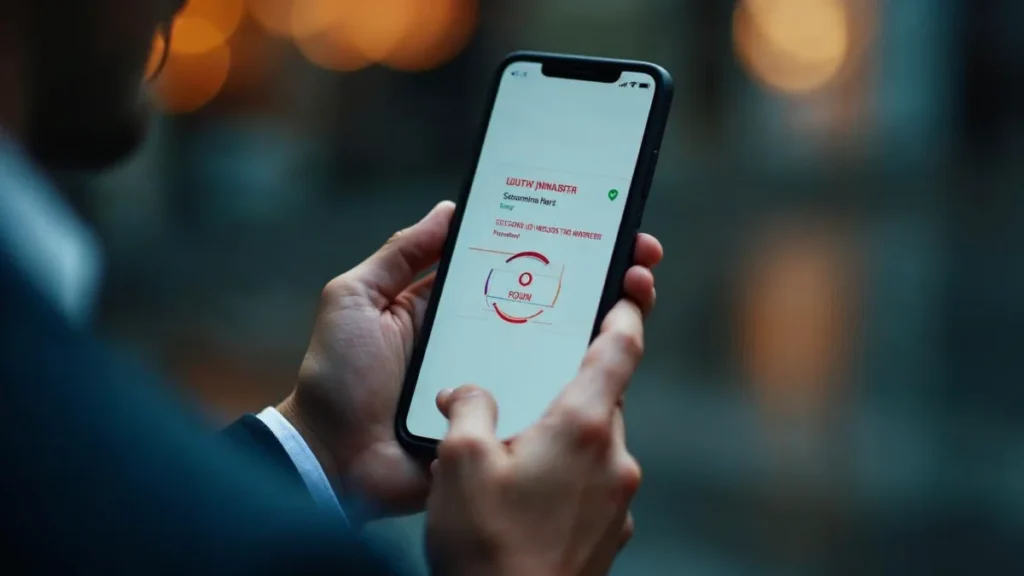
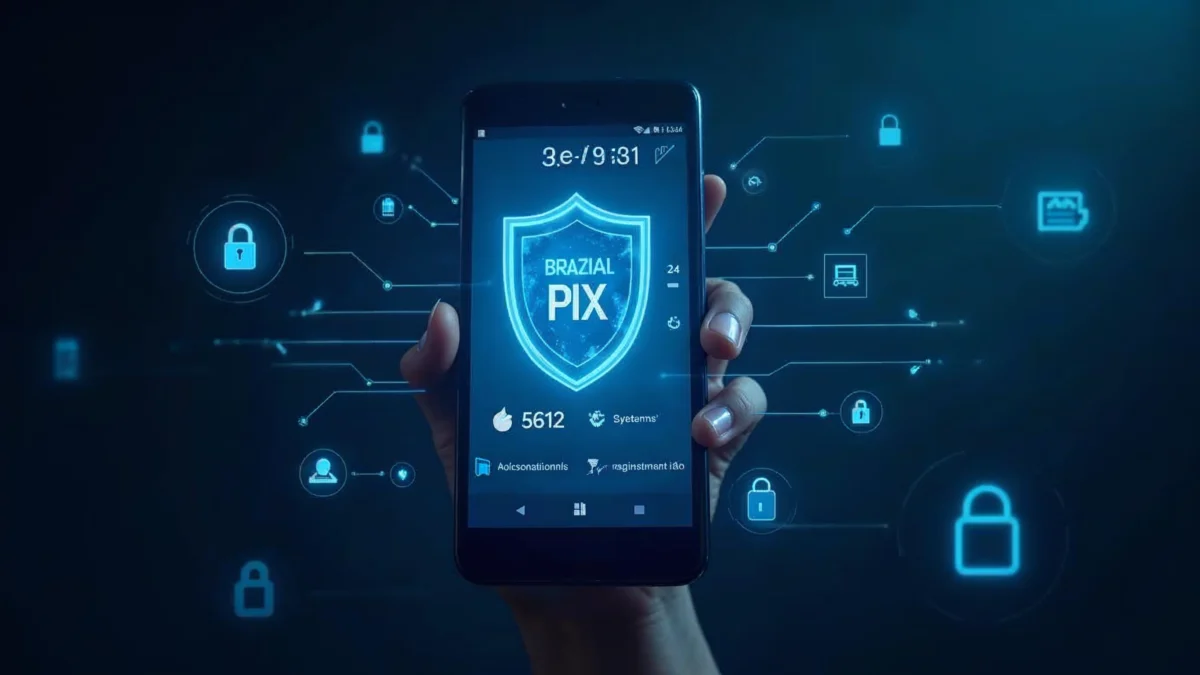
Generated by Freepik Mystic AI
Knowing the types of scam is the first step in defending yourself. See the main schemes currently applied:
- Counterfeit Bank Officer: The criminal calls pretending to be in the bank's security sector and convinces the victim to perform a Pix for a "safe account" during an alleged attempted fraud.
- WhatsApp Clonado hit: The con artist clones the number of an acquaintance of the victim and borrows money via Pix claiming urgency.
- Fake Buyer Strike: On online sales platforms, the criminal sends a false proof of Pix and presses the seller to deliver the product before actual confirmation of payment.
- QR Code Strike Adulted: QR Physical codes in establishments are exchanged for fake versions that direct payment to criminal accounts.
- Phishing via SMS or Email: False links mimic the bank app to steal access credentials.
- Motoboy hit: After another coup, the criminal sends a courier to pick up the victim's physical card, claiming a need for blockage.
- Voice Engineering hit with AI: In 2026, recorded cases show the use of voice cloned by artificial intelligence to simulate relatives requesting urgent transfers.
How to Identify a Blow Before Fall
Early identification is the best defense. There are clear warning signs that when recognized, they can save your money.
Warning Signals in Suspect Contacts
- Extreme urgency: con artists always create time pressure to prevent the victim from thinking rationally.
- "Don't tell anyone" is a classic phrase used in bank scams.
- Request for sensitive data: legitimate banks never They ask for password, token or security code over the phone.
- Unknown or DDD numbers from other regions for no apparent reason.
- Messages with Portuguese errors or weird formatting.
- Shortened links (bit.ly, tinyurl) sent in financial contexts.
How to Check Pix Proof
False proofs are one of Pix's most used punching tools. To verify the authenticity of a receipt, follow these technical steps:
- Access your bank statement directly in the official app — Never trust only the receipt sent by the buyer.
- Check Transaction ID (E2E ID): all transaction Legitimate Pix has a unique identifier that begins with the letter "E" followed by numbers and letters.
- Check out the exact transaction time in the extract — false proofs often present inconsistent times.
- Distrust proofs in image format sent by WhatsApp — the original voucher must be generated by its own banking application.
Security Settings You Should Activate Now
In addition to recognizing scams, it is essential to configure your banking and mobile app correctly. Second Febraban – Digital Security Card, most frauds can be avoided with simple settings that many users do not know.
- Pix night limit: The Central Bank allows you to set a reduced limit for transactions between 20h and 6h. Set it to the lowest possible value for your usage profile.
- Pix in offline mode: Disable network transactions Public Wi-Fi setting up your app to require mobile data.
- Authentication in two factors (2FA): Activate on all banking applications and WhatsApp.
- Biometry lock: Configure the bank app to require digital or facial recognition in each transaction.
- Real-time notifications: Activate SMS alerts and push notification for each drive.
- Pix key by CPF or CNPJ: Avoid using mobile number as the main key, as it facilitates tracking by scammers.
What to Do If You Have Fell into a Pix
If you were the victim of a coup, the speed of reaction is critical. The Pix has a mechanism called MED (Special Return Mechanism), created by the Central Bank exactly for fraud cases.
Follow this protocol immediately:
- Contact your bank in up to 30 minutes: The faster, the greater the chance of blocking the transaction by MED.
- Register an Occurrence Bulletin (B.O.): It can be done online on the website of the Electronic Police Department of your state. The B.O. is required to open the return process.
- Formally request the MED: Ask your bank to open the contest via the Special Return Mechanism, presenting the B.O. and all available evidence.
- Save all evidence: Chat prints, phone numbers, e-mails and any communication with the con artist.
- Report to the Central Bank: Use the BC ombudsman system to register the occurrence officially.
- Immediately change all passwords: Bank, linked e-mail and WhatsApp.
Anti-fraud technology: How Banks Are Evolution in 2026
Brazilian banks have invested heavily in anti-fraud technology in recent years. In 2026, major innovations include:
- Behavioral analysis by AI: Systems that detect unusual usage patterns and block suspicious transactions in milliseconds.
- Behavioral biometry: Analysis of the way you type, hold your phone and browse the app to identify imposters.
- Real-time anti-fraud score: Each transaction Pix gets a risk score before it is processed.
- Cross-validation of device: New device transactions are blocked until further verification.
Despite these advances, no technology replaces the user's own surveillance. Social engineering — who manipulates people, not systems — It remains the most effective and difficult attack vector to combat technically.
Frequently Asked Questions about Pix Hits
Is the bank obliged to return the money in case of a blow to the Pix?
There is no automatic obligation to return, but the Central Bank has created the Special Return Mechanism (EDM) that allows the victim's bank to request the blocking and return of the values to the recipient's bank. Success depends on how much money is still available in the scammer's account and the speed of the request. Register the O.R. and activate your bank immediately after you notice the coup.
Is it safe to use Pix in online shopping with unknown sellers?
The Pix itself is technically safe as a means of payment. The risk lies in trust in the seller. It is recommended to use intermediate platforms with buyer protection (such as Paid Market or PicPay) for purchases from unknowns. Never send Pix before checking the seller's reputation on review sites and confirming that the product actually exists.
How do you know a QR Code of Pix is fake?
Before confirming any payment by QR Code, carefully check the full name and CPF/CNPJ of the recipient displayed on the confirmation screen of your banking application. Hitters exchange QR Physical Codes in establishments for fake versions. If the displayed name does not match the establishment where you are, cancel immediately and notify the trader.
Pix's night limit really protects against blows?
Yes, significantly. Most of the most aggressive blows occur at night, when victims are more vulnerable and care services have less responsiveness. Setting a low night limit (ideally zero if you don't use Pix at night) is one of the most effective preventive measures recommended by the Central Bank itself.
Conclusion: Pix Security Starts with Information
Learn how to avoid digital blows to Pix is not a task only for technology experts — it is a responsibility of every user of the brazilian financial system. The 2026 scammers are sophisticated, use artificial intelligence and explore human vulnerabilities with surgical precision. But with quality information, correct settings and constant attention, it is perfectly possible to protect yourself.
Review the night limit settings in your banking app right now, enable two-factor authentication in WhatsApp and share this guide with family members — Especially older people who are frequent targets of these crimes.
Did you get any questions or want to know more about digital security? Explore other specialized content here at TecNerds and stay one step ahead of the con artists. The best protection is updated knowledge.