
The drawings that marked our childhood keep fascinating stories behind your scenes. Many of these productions faced unique challenges during their creation.
Hidden Messages in Scenarios
Some animators included curious elements at the back of the scenes. These details often went unnoticed by the general public.
Unexpected References
In several episodes of SpongeBob, appear numbers 7 scattered throughout the scenario. This was a tribute from creator Stephen Hillenburg to the sport he loved: hockey.
The number represented the shirt of his favorite player. This personal passion eventually became a visual part of the program.
Easter Eggs Cultural
Disney studios often hid characters from other productions in their movies. This practice created a discrete connection between different animated universes.
Mickey Mouse appeared in unusual places in several feature films. These moments were small surprises for the most attentive spectators.
Changes During Production
Many characters known almost were completely different from the final result. The process creative creative involved constant adjustments and revisions.
Character Transformations
Bugs originally would be pink in their first appearance. The producers switched to gray for better technical contrast.
This production decision ended up defining the rabbit's appearance forever. The character became one of the most recognisable of the animation.
Voices That Almost Didn't Happen
Tom Hanks was the first choice to give Woody voice in Toy Story. However, the producers initially considered other actors.
Billy Crystal refused to play Buzz Lightyear before Tim Allen accepted. These decisions shaped the Final cast of the film.
Creative Animation Techniques
The studios developed unique methods to create realistic movements. Many of these techniques emerged from the need for optimize time and resources.
Hanna-Barbera Innovations
O studio became known for reusing animation sequences. This practice became known as limited animation.
The same backgrounds and movements reappeared in different episodes. This creative economy allowed to produce more content with less budget.
Art of Rotoscopy
Some drawings used recordings with real actors as a base. The Animators they drew on the film to create natural movements.
This technique was used in classics like Snow White. The result was precise human movements in the animated characters.
Curiosities of Dubs

The work in the dubbing studios hid interesting particularities. Many stories appeared during the recording sessions.
Multiple Dubulators
In Scooby-Doo, Don Messick was the voice of the dog and Scooby-Lamp. Frank Welker dubbed Fred for decades and also created sound effects.
These versatile professionals gave life to several characters simultaneously. His contribution was fundamental to the success of productions.
Improvisations
Richard Steven Horvitz, Billy's voice in The Terrible Adventures Billy and Mandy improvised a lot of screaming. His characteristic cry became a trademark of the character.
These spontaneous moments were often kept in the final version. They added authenticity to performances.
Restrictions and Censorship
The nets They imposed specific rules for animated content. These guidelines influenced creative decisions constantly.
Studio Rules
Nickelodeon forbade showing people using cigarettes in their animations. This policy affected how villains could be visually characterized.
The creators needed to find creative alternatives to these limitations. These restrictions indirectly shaped the final content.
Cultural adaptations
Japanese animes underwent significant changes to the Western market. Character names were modified and cultural references adapted.
These changes sought to make content more accessible to the new public. However, they changed original aspects of production.
Little Known Facts
Some backstage stories remain unknown to the general public. These curiosities reveal surprising aspects of production.
Unusual Origins
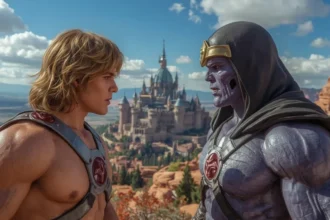
Thundercats were created to sell action figures. The animated series worked as a toy commercial.
This business model was common in the '80s. Many series emerged from this partnership between entertainment and products.
Creative Technical Problems
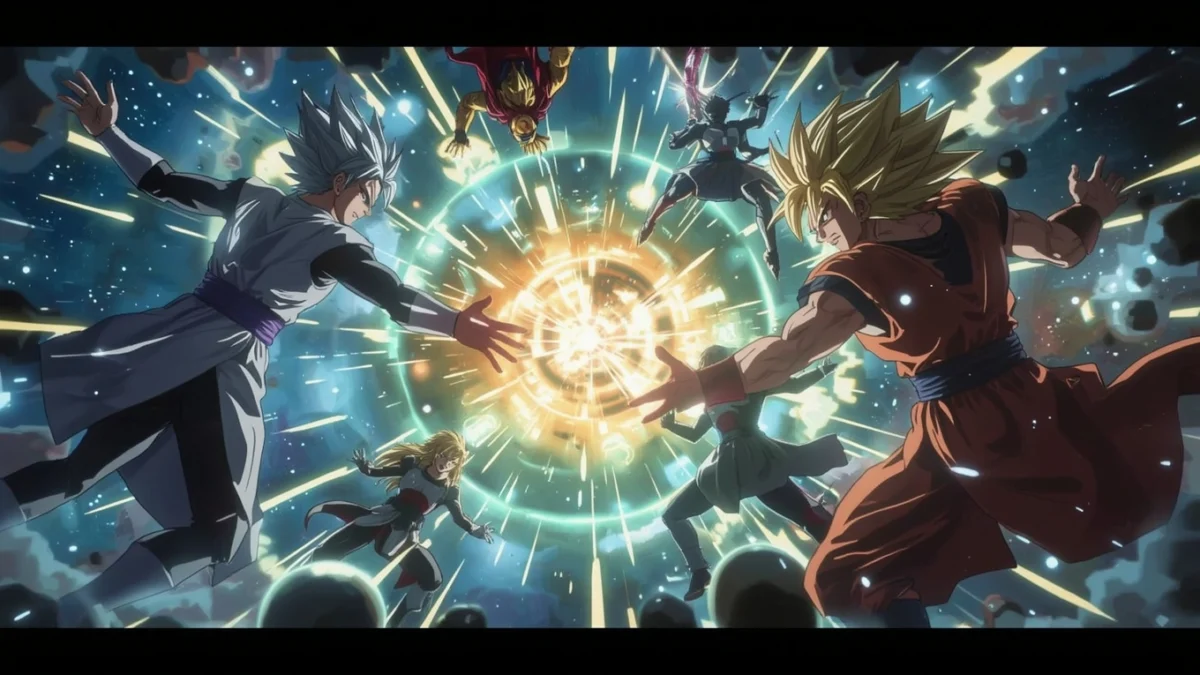
In Dragon Ball Z, the long power scenes were solutions to delays. Animators needed to fill in time while producing new episodes.
These sequences became striking features of the anime. Fans both criticized and celebrated these moments.
FAQ
Why did some old drawings have variable animation quality?
Budgeting and tight deadlines forced creative choices. Smaller studios worked with less financial resources.
Some companies prioritized quantity of quality to meet programming demands. This pressure resulted in visual inconsistencies.
How did animators create sound effects before digital technology?
They used common objects in specialized studios. Threads broke to simulate bones, and cellophane reproduced sound of fire.
These professionals developed handmade techniques for each sound need. His creativity was essential for immersion in stories.
Which drawing had the most complicated production process?
The Flintstones demanded enormous design and writing work. It was the first primetime animation with an adult audience.
Each episode consumed weeks of work from a large team. Rating pressure added extra difficulties.
Why did many American animations have recorded laughter?
Networks believed it helped the public understand humor. Practice came from the success of sitcoms with live audience.
This choice reflected preferences from the executives of the time. Many creators would rather work without this resource.
How did the animation teams deal with impossible deadlines?
They developed creative shortcuts and reused materials. Complex scenes received extra attention while simple were accelerated.
Sometimes entire episodes were outsourced to other studios. This collaboration allowed to meet tight delivery dates.