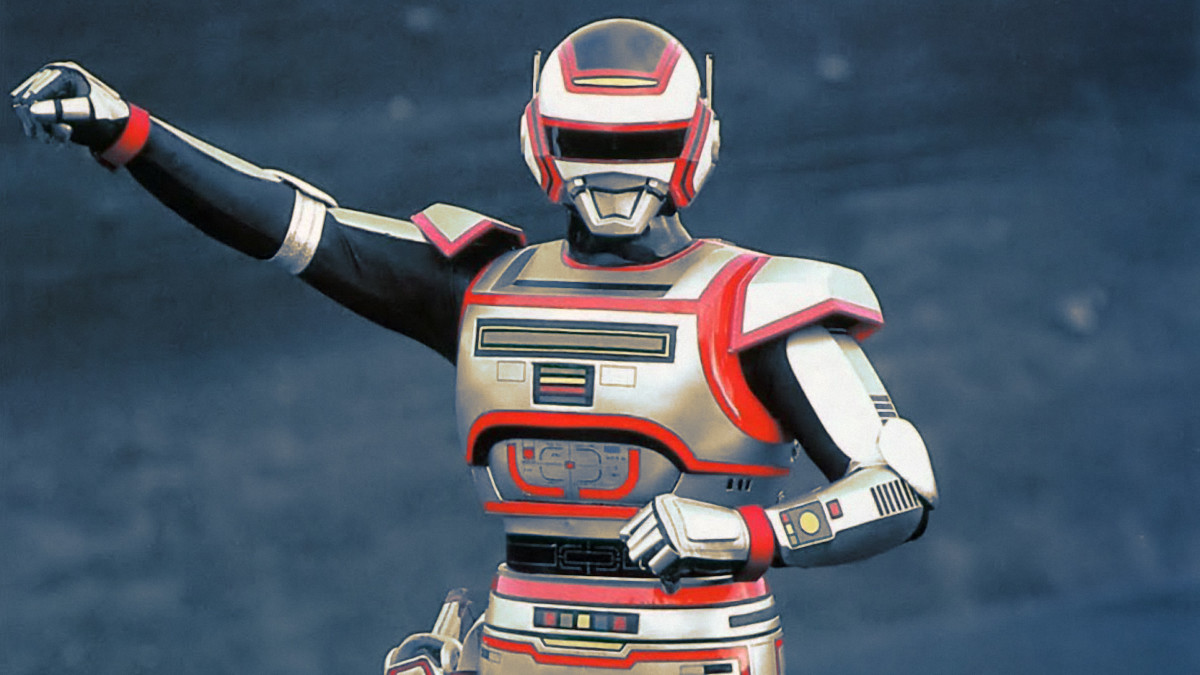
Do you remember the hero who fought space monsters and saved the world with his shining armor? Yes, we are talking about Jaspion, the legendary protagonist of the Japanese series " The Fantastic Jaspion". Since its debut in 1985, this series not only captivated the imagination of children, but also became an icon of the pop culture in Brazil. Discover fascinating curiosities about Jaspion and how he became a symbol of justice and courage.
Jaspion Surgeon: It's not just a Hero, it's an Icon!
Launched by Toei Company, the series "Kyojuu Tokusou Juspion" (or "Jaspion" as it is affectionately known here) was the fourth in the Metal Hero franchise. With a total of 46 episodes, it aired in Japan between March 15, 1985 and March 24, 1986. The series brings the story of a young man adopted by a prophet who, upon discovering his destiny, embarks on an epic journey to defeat the evil Satan Goss and his evil forces.
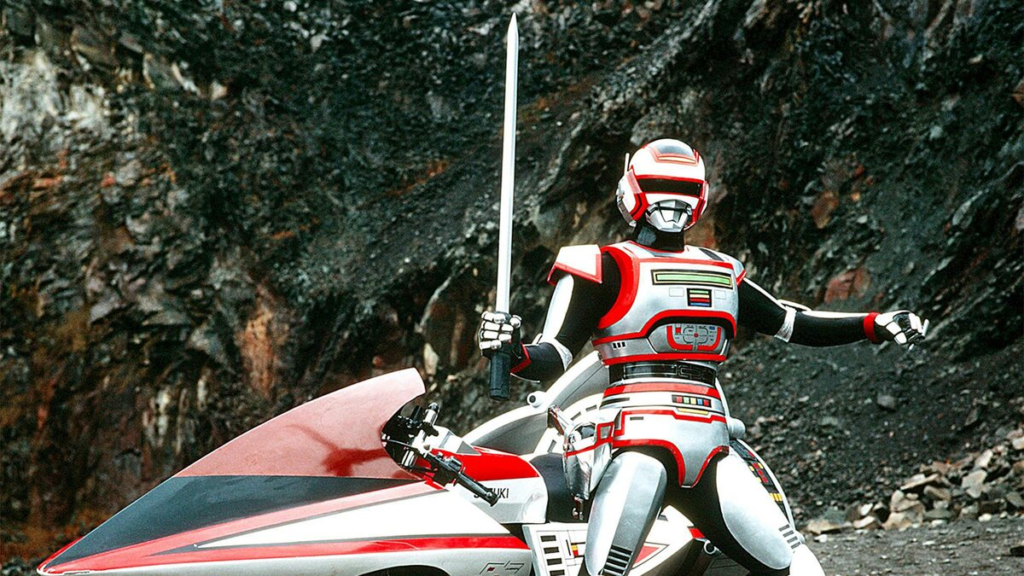
The name "Juspion" is a combination of the words "Justice" and "Champion", which deeply reflects the mission of the protagonist, a hero determined to fight for good and protect the innocent. The series follows the trajectory of Jaspion, a young man who is adopted by a prophet and who, along his journey, discovers his true destiny. Inspired by his mentor's visions and guidelines, he becomes a defender of justice, facing a number of challenges.
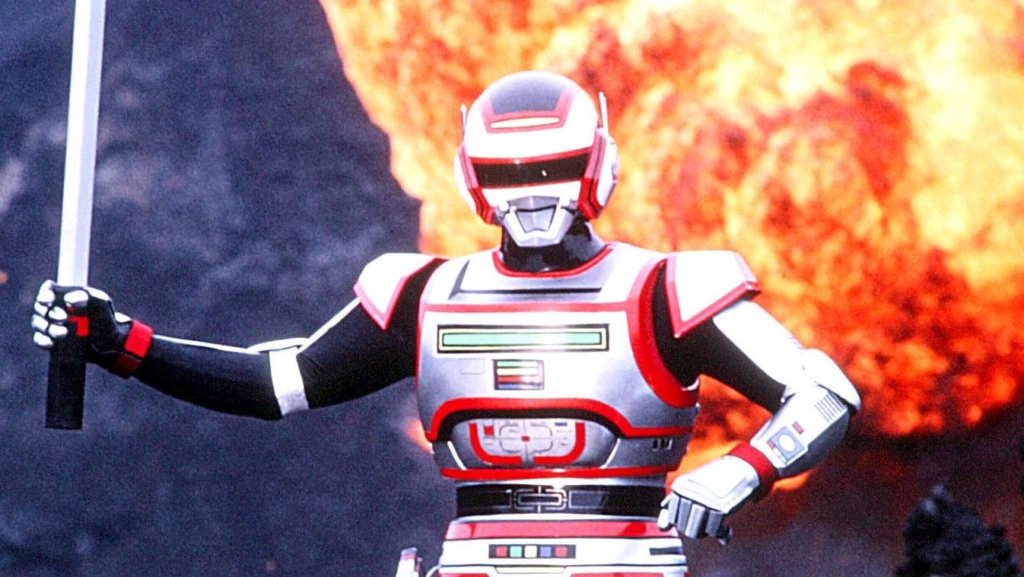
The plot unfolds in a scenery full of action, where Jaspion sees himself in a constant battle against Satan Gos and their evil forces, which threaten the peace and security of the universe. The series is marked by exciting fighting sequences, impressive costumes and a variety of monsters and villains, which provide the audience with an adrenaline-filled experience.
In addition to his scenes of action, "Jaspion" addresses themes of friendship, courage and the value of fighting for what is right, conquering the hearts of several generations. The popularity of the series in Brazil, for example, led to a cultural phenomenon, with many fans lovingly recalling the adventures of the hero over the years. The combination of elements of science fiction, action and an inspiring narrative made "Kyojuu Tokusou Juspion" a memorable work in Japanese television history and a milestone in pop culture.
The Dublagem Marcou Época
When " The Fantastic Jaspion" arrived in Brazil, the series was voiced by Álamo, and many of the voice actors were known by other classics such as "Chaves". Actor Carlos Takeshi, who voiced Jaspion, brought to life the voice of the hero that many still remember with affection. The series premiered in Brazil on February 22, 1988 on TV Manchete, within the "Child Club" program presented by Angélica. It was an overwhelming success, surpassing even the audience of Rede Globo programs at the time.
The Impact of Jaspion in Brazil
The series not only conquered hearts but also shaped a generation of fans of tokusatsu in Brazil. Jaspion became a symbol of the struggle against evil and the importance of values such as friendship, bravery and justice. The famous song "Jaspion-Changeman", performed by Trem da Alegria, was part of the soundtrack of many young people, further consolidating the hero's presence in popular culture.
The series not only conquered hearts but also shaped a generation of fans of tokusatsu in Brazil, creating a lasting legacy that continues to influence new generations. Jaspion, with his charisma and courage, became a true icon, symbolizing the tireless struggle against evil and the importance of fundamental values such as friendship, bravery and justice. Through their exciting adventures, viewers learned valuable lessons about union and perseverance in the face of adversities.
The famous song "Jaspion-Changeman", performed by the Trem da Alegria group, became a true hymn for many young people of the time, echoing in the memories of those who grew up watching the hero's adventures. This song, besides being contagious and memorable, helped further consolidate the presence of Jaspion in the Brazilian popular culture, becoming an integral part of the soundtrack of his childhoods.
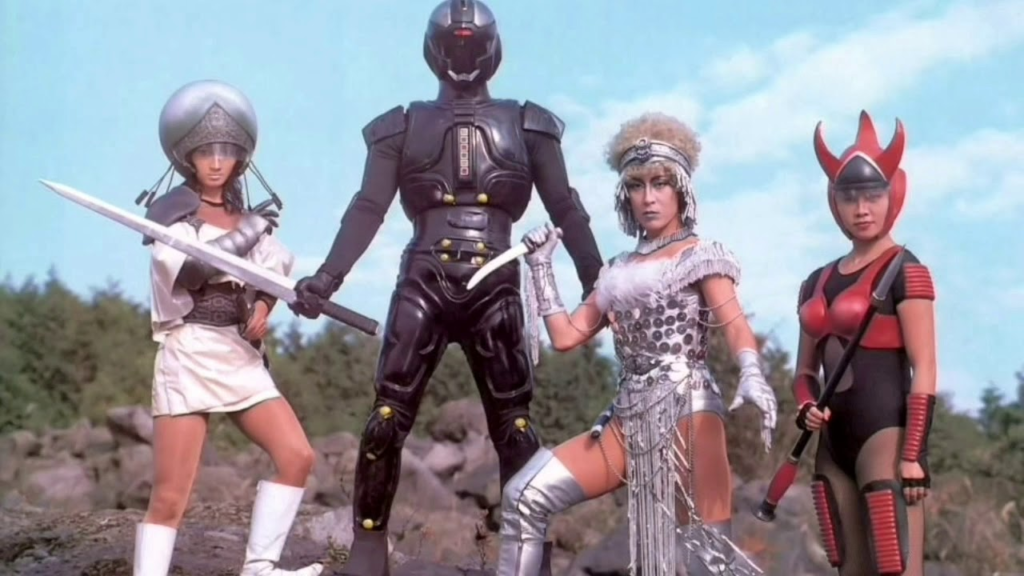
The episodes full of action and epic confrontations between good and evil not only entertained, but also inspired feelings of hope and courage. Jaspion and his friends became models to be followed, promoting the idea that together it is possible to overcome any obstacle. Thus, the series not only amused, but also played an essential role in the formation of ethical and social values among its fans, creating a community united by admiration for this legendary hero. The impact of Jaspion extends beyond the screen, reverberating in events, conventions and in the collective memory of Brazilian pop culture.
Visual and Changes of Jaspion: Why did Hair Change?
A curious fact about the series is that the look of Jaspion went through changes during the recordings. At first, the hair of actor Hikaru Kurosaki was more "respect", something that did not please the public, leading the production to change its look. This change was incorporated into an episode in which android Anri cuts his hair, a creative solution to meet the concerns of the fans and mothers who watched the series.
Epic Moments: The Battles that made history
The series is filled with exciting battles and memorable villains. Some of the most impactful moments include:
- The saga of Monster Namaguideraz, who adopts a boy and sees himself in danger.
- The death and resuscitation of the villain MacGaren, who returns stronger and more terrifying.
- The exciting outcome with the death of the prophet Edin, who touches the hearts of the spectators.
- Epic transformations of Satan Goss, which reveals his true monstrous form.
These moments not only entertained, but also taught valuable lessons about sacrifice, love and friendship.
Jaspion Today: The Legacy You Persist
Even after decades, " The Fantastic Jaspion" remains relevant. In 2020, the series was again aired by BAND, bringing nostalgia to older fans and presenting the hero to a new generation. With the announcement of a Brazilian character movie, Jaspion proves that his story is still far from over.
The Marking Soundtrack
The theme song, "Ore ga Seigi da! Juspion", is one of the most iconic, and the soundtrack of the series was a success apart. Top Tape released Brazilian versions of the songs, which were part of the life of many who grew up watching the hero's adventures.
Final Considerations: The Legacy of Jaspion
Jaspion is not only a hero of a series; he is a symbol of hope and courage. His trajectory taught us the importance of fighting for what is right, even before great adversities. For those who have grown up watching their adventures, Jaspion will always have a special place in the heart.
What do you think of Jaspion? What are your memories of this series that marked season? Share your stories in the comments and let's remember together!
Leave your comment and share your memories about Jaspion!